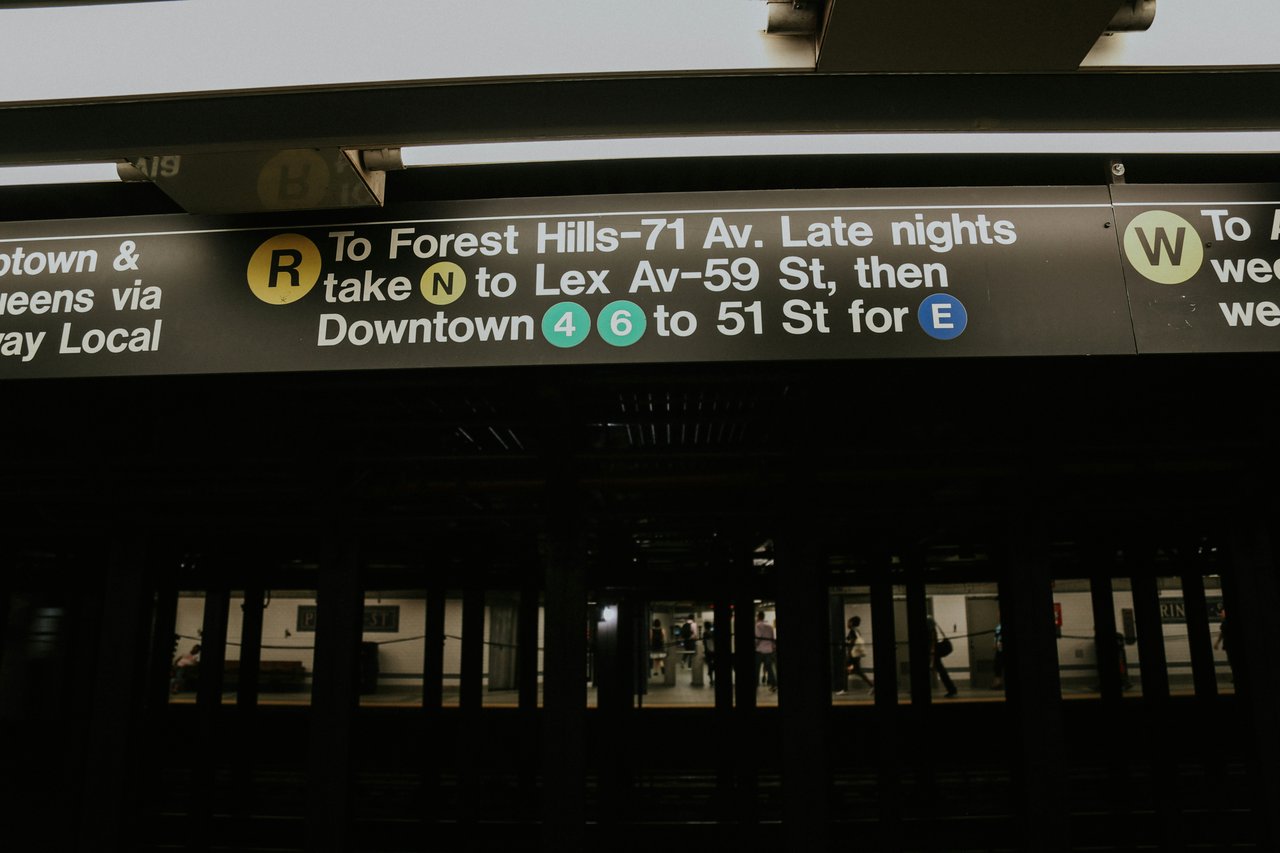
Walk south from the 71st Avenue subway stop on a Sunday morning in early September and you'll hit it before you smell the coffee: a line at the Bread Alone stand three people deep, someone's dog tied to the fence at MacDonald Park, and a woman arguing gently with the fish vendor about whether the fluke came in that morning or the day before. This is the Forest Hills Greenmarket, and if you've lived here more than a summer, you probably think you know what it is. A produce stand. A nice thing to do before brunch. Something that packs up in October like every other outdoor market in the city.
It doesn't pack up. And the reason it doesn't is not a GrowNYC policy decision. It's a petition Forest Hills residents ran themselves.
The Year It Almost Closed for the Season
Most of the city's greenmarkets run on a calendar built around produce, not people. They open in late spring, peak through summer, and fold their tables by Thanksgiving, because that's when the supply chain that makes them work (the actual farms, the actual trucks) stops making sense for a folding table on a sidewalk. The Forest Hills market, at Queens Boulevard and 70th Avenue, right alongside MacDonald Park and the post office, ran on that same calendar for years.
Then, in December 2013, GrowNYC announced something different. The market would stay open all winter, every Sunday, no seasonal close. The announcement came through GrowNYC's own channels with a specific line: "It's official – we're going year-round at Forest Hills." At the time, the market counted 18 vendors selling everything from vegetables and honey to pork, lamb, wine, dairy, lavender, seafood, and baked goods, and there was real uncertainty about whether all of them would stick around once the weather turned.
What made the difference wasn't a corporate decision about foot traffic. It was residents who wanted a market they could count on in January, not just June, and said so loudly enough that GrowNYC changed the calendar. That's a different kind of neighborhood fact than "there's a farmers market here." It means the market exists in its current, permanent form because people who live within a few blocks of Queens Boulevard decided it should, and then made that happen.
What Actually Survives the Cold
Here's where the summer-only assumption really breaks down. Visitors who've stuck around through the off-season describe a market that thins but doesn't vanish: squash, apples, leafy greens, herbs, eggs, and milk carry the tables through the coldest stretch, while the tomato-and-stone-fruit crowd naturally clears out. That's not a lesser version of the market. It's a different one, built for a different kind of Sunday, the kind where you're buying what you'll actually cook that week instead of what looks good in a tote bag photo.
Which is exactly why the weeks right now, as summer turns into fall, matter more than people give them credit for. This is the overlap stretch: the tail end of summer produce still on the tables alongside the first apples and winter squash of the season, before the real thinning that comes with the first hard cold. If you've been treating this market as a July errand, you're skipping the window where it's actually doing the most.
A few stalls worth building a Sunday around this season:
- Bread Alone, for the artisanal breads, pastries, pies, and granola that sell out early enough that "early enough" means before 10 a.m. most weeks.
- Stone & Thistle Farm, for grass-fed beef, pork, lamb, and goat, along with chicken, duck, turkey, and guinea fowl, plus sausages, pate, and meat pies.
- Ronnybrook, for dairy, whether you're stocking a fridge for the week or just need milk for Sunday coffee.
- American Pride Seafood, for wild-caught fish and shellfish, which is the rare thing in this neighborhood you genuinely can't get fresher anywhere closer than the water.
- Dipaola Turkeys, worth flagging now rather than in November: whole birds, breast, necks, frames, drumsticks, thighs, wings, and flavored sausage and burgers made from turkey. If Thanksgiving is on your calendar, this is the stall where you skip the grocery store scramble and order ahead instead.
The market runs Sundays, 8 a.m. to 2 p.m., and it takes SNAP and EBT through a green Market Information tent that swaps your card for wooden tokens you spend at any stall, plus a Health Bucks bonus that stretches produce dollars further. None of that is dressing. It's the kind of detail that tells you this market was built to actually feed the neighborhood, not just photograph well.
Making It a Routine, Not an Errand
The market's location does half the work for you. MacDonald Park sits right there, which means the whole visit can be a loop instead of a stop: browse the stalls, grab a coffee, sit on a bench with the dog and a bag of apples, walk it off toward Station Square before circling back for whatever sold out the first time through. If you're doing breakfast instead of a bench, Forest Hills Bagels is close enough to fold into the same walk, and a short stretch further out gets you to sit-down rooms like Agora Taverna, giving you somewhere to land afterward without getting back in a car.
That's the part the "farmers market" label undersells. This isn't a once-a-year festival stop. It's a weekly fixture that anchors a specific kind of Forest Hills Sunday, the one where you don't leave the neighborhood at all and don't feel like you're missing anything by staying.
Why the Winter Version Is the Real Test
There's a version of this piece that stops at "here's a nice market, go check it out." But the more useful fact is the one about December 2013: this market survived because people asked it to, not because it was profitable enough to run itself through a New York winter. Every Sunday it's open in February is a small piece of evidence that a neighborhood push worked and kept working for over a decade.
That matters for anyone deciding what kind of place this is to plant roots in. A neighborhood that fights to keep a Sunday market running through the cold months is telling you something about how it treats the things it decides are worth keeping. Forest Hills does that. It's part of why people who move here for a two-year stint end up staying for fifteen.
If you're already living near Queens Boulevard and 70th Avenue, none of this is new information exactly, it's your Sunday. But if you're the person hearing about this market for the first time, or wondering what else about this pocket of Queens works the same way (built by the people who live here, not handed down from somewhere else), that's a conversation worth having.
Rachel Borut has spent her life in Forest Hills and spends her Sundays in the same neighborhood she helps clients buy into, sell out of, and settle down in. If you're curious what else makes this stretch of Queens tick, or you're thinking about your own next move here, reach out to Rachel Borut to schedule a consultation.