Your Complete Guide to Renting in Forest Hills, Queens
Renting in Forest Hills, Queens is one of the smartest housing decisions you can make in New York City. This neighborhood combines tree-lined streets, strong subway access, and a genuine sense of community that is hard to find this close to Manhattan. Whether you are relocating, renting for the first time, or simply looking for a better fit, Forest Hills offers a range of options worth knowing about. This guide covers everything from average rent prices to the application process, so you can move forward with confidence.
What Makes Forest Hills, Queens a Great Place to Rent?
Forest Hills has a character that sets it apart from most NYC neighborhoods. The streets are quiet, the sidewalks are wide, and the area feels more like a close-knit town than a dense urban neighborhood. That combination is rare in New York, and it is a big part of why so many renters keep coming back.
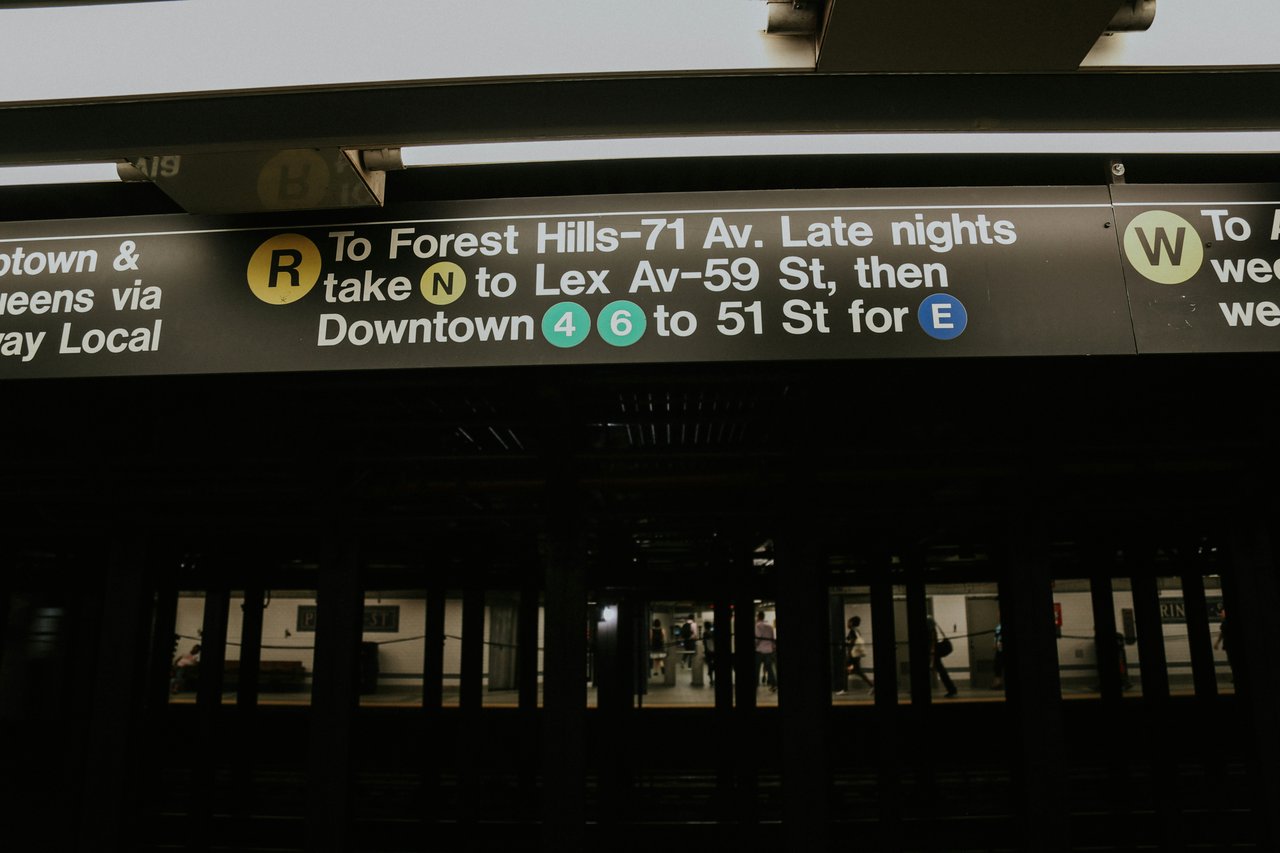
Transit access is one of the strongest selling points. The E, F, M, and R subway lines all serve Forest Hills, giving residents a direct and fast connection to Midtown Manhattan. The commute to major employment hubs typically runs between 20 and 35 minutes, which is well below average for outer-borough residents. For anyone working in the city but wanting more breathing room at home, this location genuinely delivers.
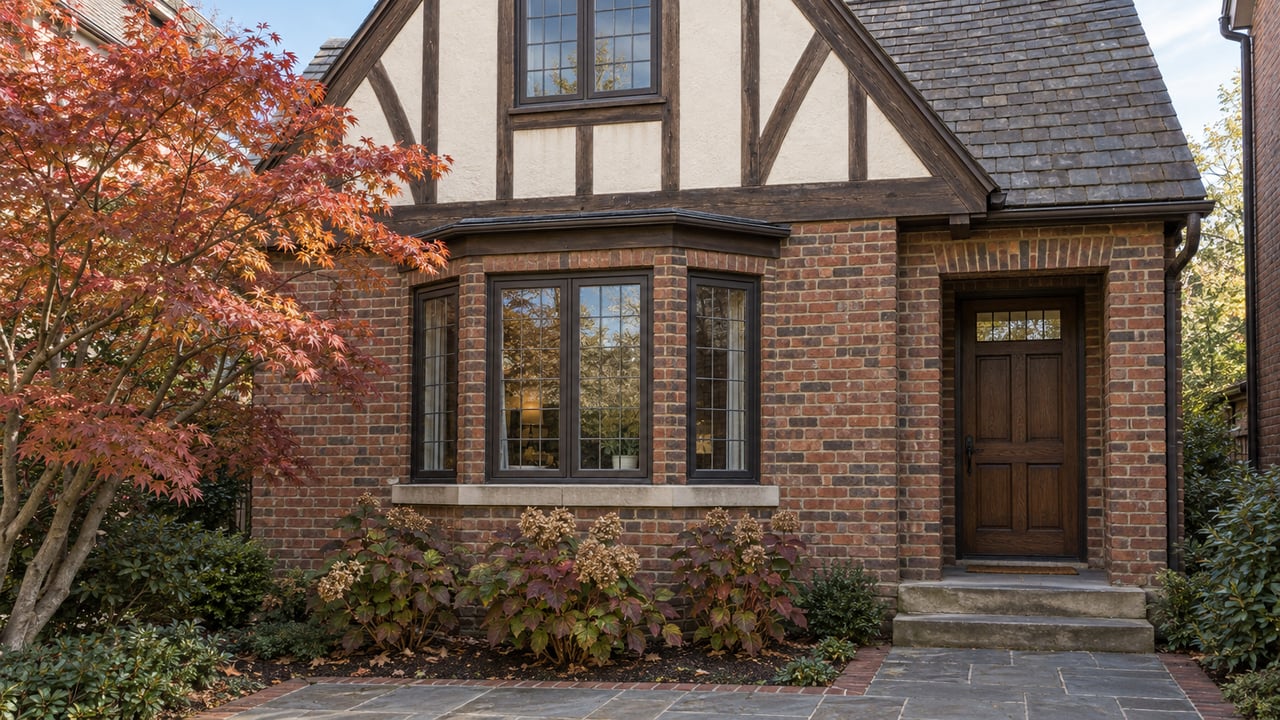
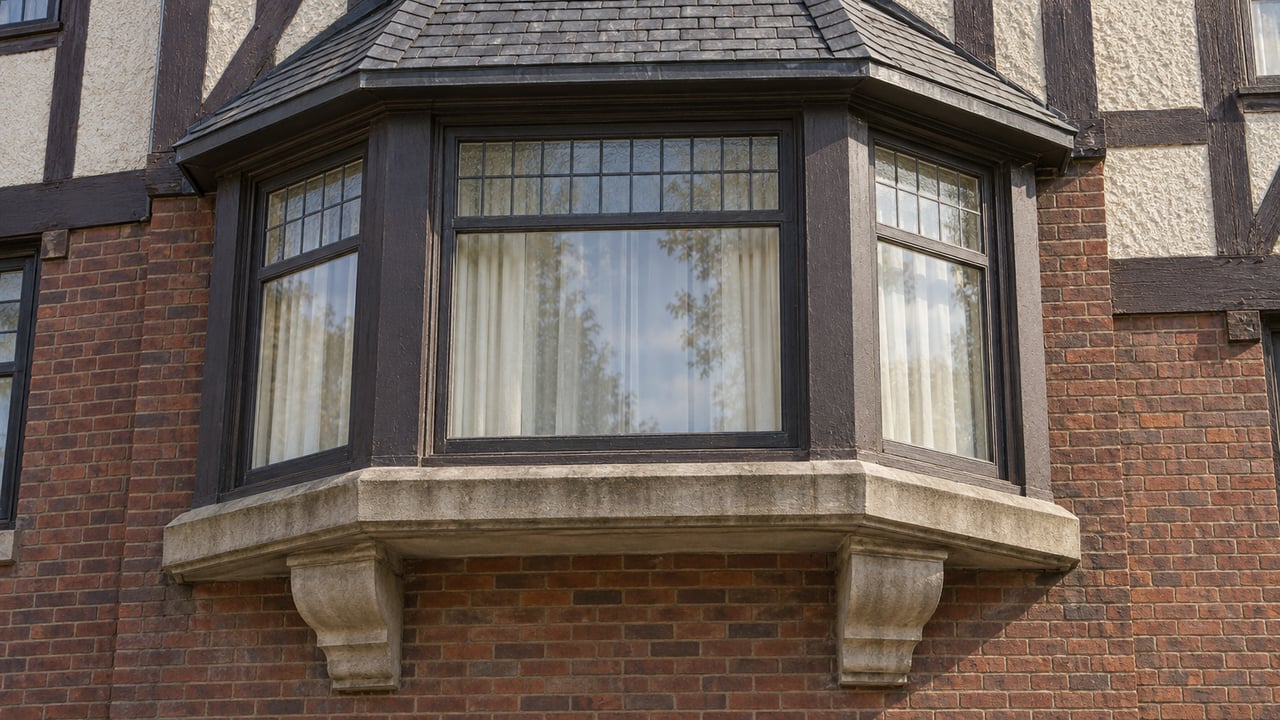
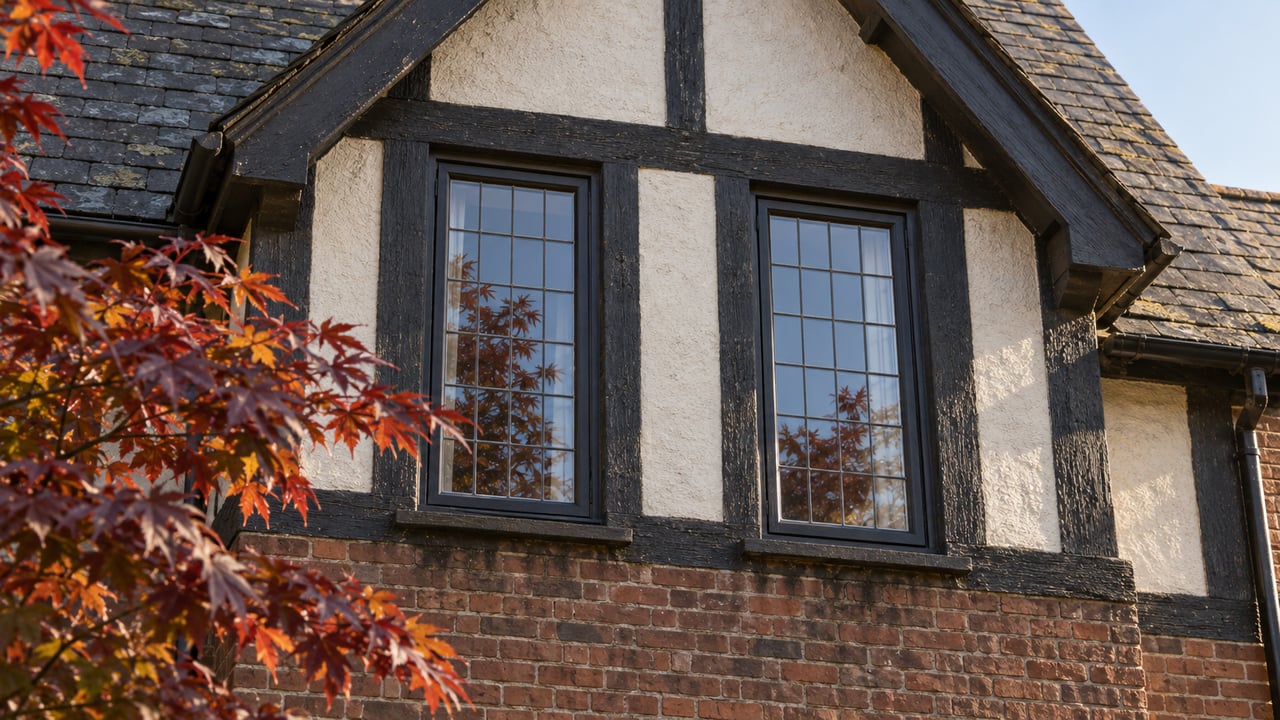
The housing stock itself is varied and interesting. You will find pre-war co-op buildings with classic architectural details, newer condo developments with modern finishes, and single-family rentals tucked into quieter blocks. Austin Street, the neighborhood's main commercial corridor, is lined with restaurants, cafes, boutiques, and essential services. Nearby Flushing Meadows-Corona Park adds green space for weekends, and the West Side Tennis Club gives the area a distinctive historic identity. The local school options, including PS 144 and Forest Hills High School, are an added draw for families.
Understanding the Forest Hills Rental Market
What Are Average Rent Prices in Forest Hills?
As of 2026, renters in Forest Hills, Queens can expect to pay the following average monthly rents:
● Studio apartments: $1,800 to $2,200 per month
● One-bedroom apartments: $2,200 to $2,800 per month
● Two-bedroom apartments: $2,900 to $3,800 per month
● Three-bedroom units: $3,800 to $5,000+ per month, depending on the building type and location
These figures reflect a broad range because pricing in Forest Hills varies based on building type, floor level, condition, and proximity to key anchors. Units within a few blocks of the Austin Street commercial strip or near the 71st Avenue subway station tend to command higher rents. Properties slightly further from transit often offer more competitive pricing without sacrificing neighborhood quality.
Seasonal timing also matters. Spring and early summer are the most competitive rental periods in Forest Hills, with more listings available but also more renters actively searching. If you search between October and February, you may find better pricing and more negotiating room, though inventory will be thinner.
How Does Forest Hills Compare to Nearby Queens Neighborhoods?
Forest Hills sits in a strong position relative to its neighbors when it comes to balancing cost, lifestyle, and convenience.
Rego Park, which borders Forest Hills to the north, tends to offer slightly lower rents, particularly for larger apartments. It has good transit access as well, but the neighborhood has a more urban, commercial feel with less of the residential calm that defines Forest Hills. Kew Gardens, located just south of Forest Hills, is quieter and often less expensive, making it popular with renters who prioritize space and peace over walkability and dining options. Jackson Heights, further north along the 7 train corridor, is notably more affordable but has a very different cultural character and does not offer the same suburban-adjacent atmosphere.
Forest Hills genuinely earns its reputation for striking a balance. It feels suburban in the best way, with tree coverage, architecture, and a slower pace, while still putting you minutes from one of the world's great cities. That combination tends to keep demand steady, which is worth keeping in mind as you budget and plan your search.
Types of Rental Properties Available in Forest Hills
Forest Hills offers a wider variety of rental property types than most NYC neighborhoods its size. Understanding the differences between them will help you narrow your search and avoid surprises once you sign a lease.
Co-op apartments make up a significant portion of the Forest Hills rental market. When you rent in a co-op building, the individual unit owner is your landlord, but the building itself is governed by a co-op board. This means the board may require you to submit an application, provide financial documentation, and sometimes attend an interview. The process can feel more involved than renting a typical apartment, but it is manageable if you are prepared. Co-op boards in Forest Hills vary widely in how strict they are, so working with someone who knows the individual buildings makes a real difference.
Condo rentals tend to be more flexible. The owner still rents directly to you, but condo buildings generally have fewer restrictions on who can rent and for how long. Short-term leases and sublets are more commonly available in condo buildings, which suits renters who are not ready to commit to a 12-month term.
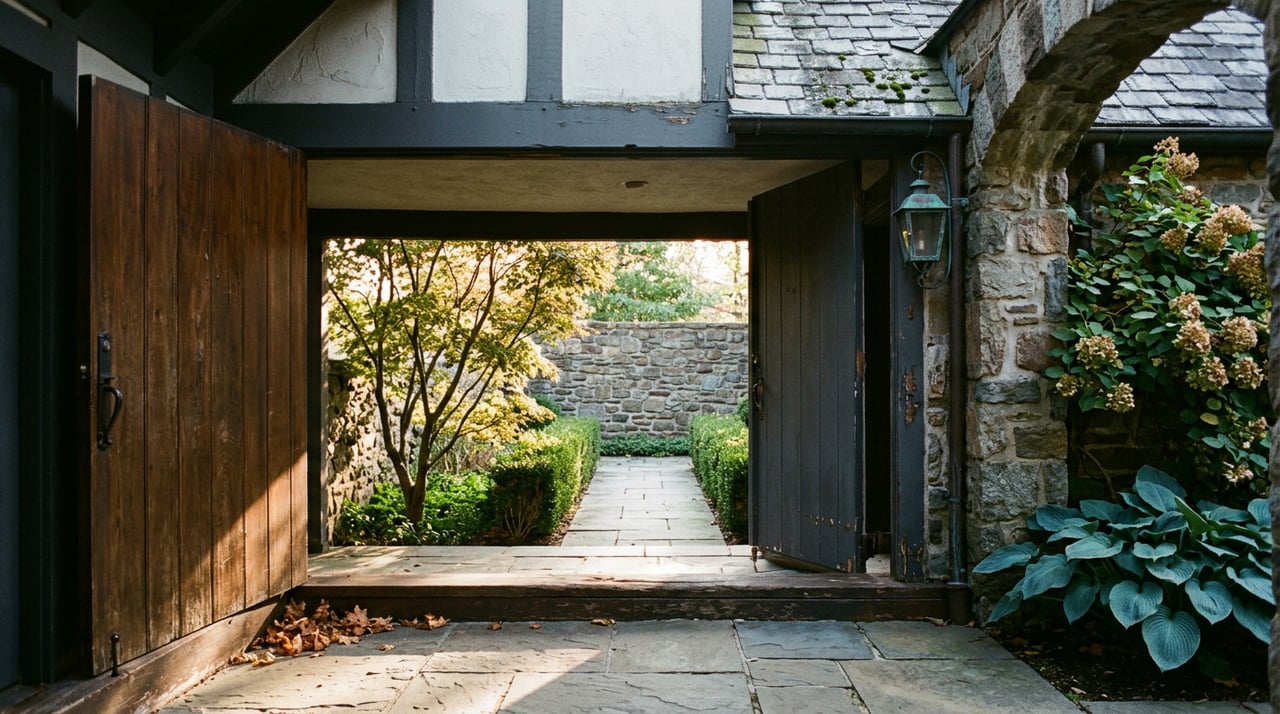
Multi-family homes and garden apartment complexes round out the Forest Hills rental landscape. Garden apartments, in particular, are a defining feature of this neighborhood. These low-rise buildings are often set back from the street with shared courtyard spaces, offering a quieter and more spacious living environment than high-rise alternatives. Many of these buildings were constructed in the mid-20th century and have been well-maintained, though it is always worth checking the condition of key systems before signing.
What Should You Look for When Renting in Forest Hills?
Key Questions to Ask Before Signing a Lease
Before you commit to any Forest Hills rental, ask specific questions of the landlord or their representative. These conversations protect you before anything is finalized.
Start with building rules. Ask about noise policies, move-in and move-out procedures, package delivery, and whether there are restrictions on decorating or renovating the unit. Pet policies vary considerably across Forest Hills buildings, so if you have a dog or cat, confirm this early and get the details in writing. Subletting rules are especially important in co-op buildings, where the ability to sublet may be restricted or require board approval.
Maintenance responsibilities are another area to clarify upfront. Ask who handles repairs, how maintenance requests are submitted, and what the typical response time looks like. Understanding lease renewal terms and any built-in rent escalation clauses is also important, especially if you are planning to stay for more than one year.
Reviewing your lease carefully before signing is always a good idea. If you're unsure about specific language or clauses, working with a local real estate professional who understands Forest Hills lease norms is a practical step that can prevent costly misunderstandings.
How to Evaluate a Forest Hills Rental Property
When you tour a Forest Hills apartment, go beyond the aesthetics. Here is what to check before forming your opinion:
● Appliances: Are they in working condition? Check the oven, refrigerator, and dishwasher if applicable.
● Heating and cooling: Ask whether the building uses steam heat, forced air, or individual units. Window AC units are still common in pre-war buildings.
● Natural light: Note which direction the windows face and how much direct light the apartment receives throughout the day.
● Storage: Closet space varies dramatically between Forest Hills buildings. Confirm whether there is additional basement storage.
● Noise levels: Listen carefully. Ask about neighbors, nearby construction, and how close the apartment is to the subway line.
● Water pressure and plumbing: Run the taps and flush the toilet. Issues here can signal older infrastructure that management has not addressed.
Working with a local expert who knows the building histories in Forest Hills is genuinely valuable here. A knowledgeable agent can tell you about a specific building's management reputation, any known issues with the structure, and how fairly units are typically priced relative to condition.
Working with a Local Real Estate Expert in Forest Hills
Navigating the Forest Hills rental market on your own is possible, but it is rarely the fastest or easiest path. The neighborhood has its own nuances, and having someone in your corner who knows those details changes the experience significantly.
Rachel Borut of Rachel Borut Real Estate has spent years working specifically in Forest Hills and the surrounding Queens neighborhoods. That focus means she understands not just where the listings are, but which buildings have strong management, which are priced fairly, and which co-op boards have a smoother application process. That kind of ground-level knowledge is difficult to replicate with a general search.
"Forest Hills renters often underestimate how much the right preparation matters," says Rachel Borut. "Knowing which buildings are renter-friendly and what boards are looking for can be the difference between a smooth experience and a stressful one. My job is to make sure my clients walk into every step of the process ready."
For first-time renters, this kind of guidance is especially helpful. The New York City rental process involves more steps and documentation than in most other cities, and understanding what to expect before you start searching removes a lot of unnecessary stress. For families relocating to Forest Hills, local knowledge about school zoning, neighborhood layout, and transit options also becomes a practical part of the conversation.
Working with a neighborhood specialist means your search is focused, not scattered. Instead of sifting through listings that do not fit your needs, you get access to well-matched options and real-time market insight from someone who is actively working in the area every day.
Tips for a Smooth Rental Application Process
The Forest Hills rental market is competitive, and renters who move quickly and come prepared secure the best apartments. Knowing what to expect before you start puts you in a much stronger position.
Most landlords and co-op boards in Forest Hills will require the following documents as part of your application:
● Proof of income: Recent pay stubs, a letter from your employer, or tax returns if self-employed. Many landlords require income that is 40 to 45 times the monthly rent.
● Credit report: A score of 700 or above is generally considered strong in this market, though individual requirements vary.
● References: Personal and professional references are commonly requested. Previous landlord references carry particular weight.
● Employment verification: A current employment letter confirming your position, salary, and length of employment.
● Photo ID and bank statements: These are standard across most applications.
To strengthen your application in a competitive environment, consider preparing a renter's portfolio before you start touring. This is a simple folder, physical or digital, that contains all of your documents organized and ready to submit immediately after a viewing. Being able to submit a complete application the same day you tour an apartment is often the deciding factor when multiple renters are interested in the same unit
Timing your search strategically also helps. If your schedule allows, starting your search in the fall or winter gives you more leverage on pricing and less competition from other renters. If you are searching in spring or summer, plan to act quickly when you find something that meets your needs. Desirable Forest Hills listings rarely stay available for more than a few days.
Is Forest Hills, Queens Right for You?
Forest Hills is a strong fit for a specific type of renter, and that type is broader than many people expect. Commuters who want fast access to Midtown Manhattan without paying Manhattan prices consistently rank it as one of Queens' best neighborhoods. Families value the school options, parks, quieter streets, and sense of community that comes with living in a place where neighbors actually know each other.
Young professionals appreciate the dining and cafe culture along Austin Street, along with the transit options that connect them to the rest of the city. People relocating from other cities often find Forest Hills to be a comfortable entry point into New York life, offering enough urban energy without the overwhelming density of Manhattan.
If you are looking for a neighborhood where you can actually feel settled, where the pace is a little calmer but the city is still right outside your door, renting in Forest Hills, Queens is worth a serious look. The best next step is a conversation with someone who knows the market well.
Contact Rachel Borut Real Estate to schedule a consultation and start your Forest Hills rental search with expert guidance.
Frequently Asked Questions About Renting in Forest Hills, Queens
What is the average rent for a one-bedroom apartment in Forest Hills, Queens?
As of 2026, the average rent for a one-bedroom apartment in Forest Hills, Queens ranges from $2,200 to $2,800 per month. Pricing varies by building type, floor level, and proximity to the Austin Street commercial corridor and major subway stations.
Is Forest Hills, Queens a safe neighborhood to rent in?
Forest Hills is consistently considered one of the safer neighborhoods in Queens. It has lower crime rates compared to many other NYC neighborhoods, active community organizations, and a strong residential presence that contributes to a stable, well-monitored environment. As with any NYC neighborhood, doing your own research on specific blocks and speaking with a local expert is always a good idea.
How do I find rental listings in Forest Hills, NY?
You can find rental listings in Forest Hills on major platforms like StreetEasy, Zillow, and Apartments.com. Working directly with a local real estate agent who specializes in Forest Hills is often the most effective approach, as agents often have access to listings before they are publicly posted and can filter options based on your specific needs.
What is the difference between renting a co-op and a condo in Forest Hills?
When you rent a co-op in Forest Hills, the building is owned collectively by shareholders, and a co-op board may have the right to review and approve your application. This process can involve financial documentation and sometimes an in-person interview. Renting a condo is generally more straightforward, with fewer board restrictions, more flexible lease terms, and a simpler approval process.
Do I need a broker to rent an apartment in Forest Hills, Queens?
You are not required to use a broker, but working with one who specializes in Forest Hills adds real value. A local broker understands which buildings are renter-friendly, knows which listings are competitively priced, and can guide you through the co-op application process if needed. In many cases, the time and stress saved is worth more than any fee involved.
What neighborhoods are close to Forest Hills and worth comparing?
Rego Park, Kew Gardens, and Jackson Heights are the most commonly compared neighborhoods. Rego Park is slightly more affordable and just north of Forest Hills. Kew Gardens offers a quieter, more residential feel at generally lower price points. Jackson Heights is a more affordable, culturally vibrant option, though it has a very different character and lifestyle than Forest Hills.
How long does the rental application process typically take in Forest Hills?
For standard apartment rentals in Forest Hills, the process typically takes one to two weeks from application submission to lease signing. Co-op rentals can take longer, sometimes three to six weeks, depending on how quickly the board schedules its review and whether an interview is required. Having all your documents ready from the start speeds up every part of the process.