If you own a single-family home in Forest Hills, you are not selling into the same market as the neighborhood’s co-ops and condos. That can be good news, but it also means broad headline stats can be misleading when you are trying to price and position your home. In this guide, you’ll see what makes the Forest Hills house market different, what today’s numbers suggest, and what you can do to improve your result. Let’s dive in.
Forest Hills houses are a niche market
Forest Hills is a mixed residential area with both lower-density homes and a much larger apartment inventory. That matters because single-family houses compete inside a neighborhood where co-ops and condos make up a big share of the housing stock and the active listings.
The result is simple: your home should not be judged against the neighborhood’s overall median sale price alone. In a market like Forest Hills, closed sales for one-family homes usually provide a much better starting point for sellers.
What the latest sales data shows
The gap between houses and apartments in Forest Hills is significant. As of June 2026, PropertyShark reported a neighborhood-wide median sale price of $417,000 across 38 transactions, but houses had a much higher median of $2.2 million on just 4 sales.
That small monthly sample is important. When only a few houses close in a given month, the median can swing sharply, which is why annual sales data often gives sellers a more stable view.
The New York City Department of Finance 2024 Queens neighborhood sales file offers that broader benchmark. In 2024, Forest Hills one-family homes recorded 101 sales with a median sale price of $1.35 million and an average sale price of $1.47 million, with prices ranging from $650,000 to $3.6 million.
That spread tells you something critical. Forest Hills single-family homes do not move in a narrow price band, and details like block, lot, condition, and presentation can have a meaningful effect on value.
Why broad neighborhood medians can confuse sellers
Forest Hills has a large apartment market, and that can distort what sellers think their homes are worth. In the same 2024 Department of Finance file, co-ops had 484 sales at a $360,000 median, while condos had 107 sales at a $925,000 median.
Those numbers are useful for apartment owners, but they are not a clean pricing guide for a one-family house. If you own a detached or attached single-family property, your home belongs to a very different segment with a very different buyer mindset and price structure.
Why house comps matter more
In New York City tax terminology, most one-, two-, and three-family homes fall under Class 1. The city notes that Class 1 homes rely on comparable sales, while co-ops and condos are treated differently.
For you as a seller, that reinforces a practical rule: price your home based on recent one-family closings, not on co-op-heavy neighborhood averages. In Forest Hills, that distinction matters because the single-family segment sits well above the broader apartment market.
The 2025 rolling sales examples also show how wide the range can be, from around $800,000 and $1.1 million up into the $2 million to $3 million-plus range depending on the property. That kind of spread is exactly why accurate local comp selection matters.
Inventory is limited, but buyers stay selective
Single-family inventory in Forest Hills is scarce compared with apartments. Current portal counts vary, but the pattern is consistent: Zillow shows 34 single-family homes, Realtor.com shows 32, and StreetEasy lists 23 houses, while other platforms show far more condos and co-ops available.
Scarcity can help sellers, but it does not guarantee a fast or easy sale. Buyers in this segment are usually making a larger financial decision, and they tend to compare condition, layout, outdoor space, and overall value very carefully.
Who is likely buying Forest Hills houses
Forest Hills sits in an area with a median age of 47.3, a median household income of $99,052, and a housing stock that is about 85% multi-unit. The broader area also has a long average commute time of 46.3 minutes and strong transit connections.
Based on that mix, the most likely buyers for single-family homes are people who want more space and privacy while staying in a well-connected part of Queens. That can include move-up buyers, long-term owner-occupants, and relocators looking for a practical alternative to apartment living.
For sellers, the takeaway is clear. Your buyer is often not just shopping for square footage. They are often looking for a different lifestyle within the same neighborhood framework.
What buyers value in Forest Hills
Forest Hills offers a combination of residential character, greenery, shopping corridors, and transit access that continues to attract interest. Community Board 6 describes the area as having a planned-community core, greenery, and a traditional neighborhood feel, while also noting local events like street fairs, cultural programming, and a weekend Green Market.
Transit is also part of the value story. StreetEasy notes access to the E, F, M, and R lines plus the Long Island Rail Road, and PropertyShark reports that the LIRR trip to Penn Station is about 17 minutes.
When buyers consider a house here, they are often weighing both the property and the convenience of the location. That means your listing should connect the home’s features to the everyday benefits of living in Forest Hills.
Pricing right still matters
Even in a low-supply segment, overpricing can slow momentum. Redfin shows homes in Forest Hills selling in about 74 days on average, while StreetEasy reports a median sales time of 60 days.
Current house listings also show examples of 50 to 90 or more days on market, along with visible price cuts. That suggests a familiar pattern: when a home misses the market on price or presentation, it can go stale quickly.
A smart pricing strategy should aim to attract attention early, when your listing is freshest. In a niche segment with fewer buyers, that first wave of interest can be especially important.
Presentation can widen your buyer pool
Because buyers have limited single-family options in Forest Hills, they tend to notice quality quickly. Sellers who prepare well can make it easier for buyers to understand the home’s value and picture themselves there.
Useful pre-listing steps may include:
- Decluttering key rooms
- Completing targeted repairs
- Using professional photography
- Adding floor plans
- Verifying room counts and lot measurements
- Organizing records for renovations and system updates
- Highlighting roof, windows, mechanicals, parking, basement use, and outdoor space
These details help reduce uncertainty for buyers. They also help your listing stand out in a market where homes can vary widely by condition and layout.
Market the features apartments cannot offer
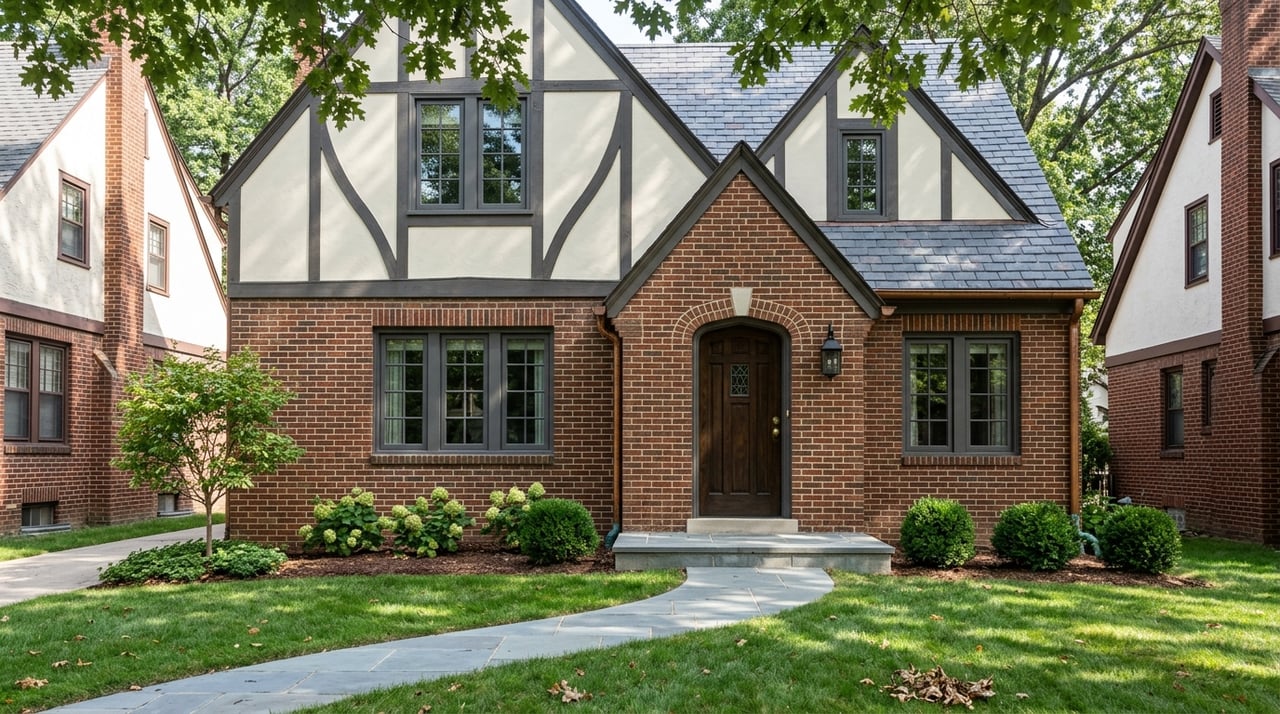
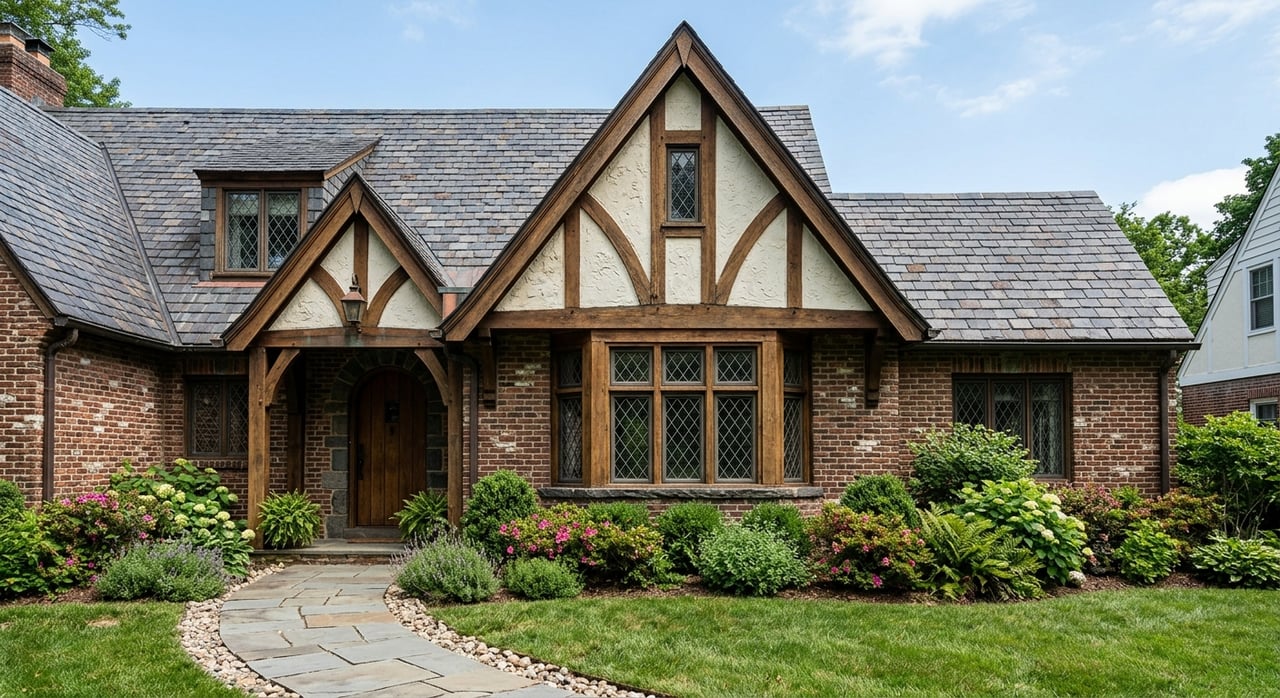
One of the biggest advantages of a Forest Hills single-family home is that it offers features many apartments cannot. Buyers often respond strongly to benefits like private outdoor space, driveway utility, architectural character, extra storage, and greater control over the property.
That contrast matters because co-ops and condos are different forms of apartment ownership with building-level decision-making and different ownership structures. A house offers a different ownership experience, and your marketing should make that distinction easy to understand.
Tell a complete story
The strongest listings do more than post room counts and photos. They show how the home lives, why the layout works, and how the property fits into the rhythm of Forest Hills.
That story might include the practical appeal of commute options, the comfort of outdoor space, the flexibility of a basement or parking setup, and the architectural charm that gives many Forest Hills homes their identity. When your marketing package is thoughtful and specific, buyers can connect the dots faster.
What this means for sellers now
The Forest Hills single-family market is small, valuable, and more varied than the neighborhood’s apartment segment. Annual sales data shows a meaningful price range, active inventory remains limited, and buyers appear to be shopping carefully for space, privacy, and long-term fit.
If you are preparing to sell, the best approach is usually a local one: review recent one-family closings, price with discipline, and present the home in a way that highlights what makes it different from the neighborhood’s many apartment options. In a market like Forest Hills, details matter.
If you want a plan tailored to your home, neighborhood block, and timing, Rachel Borut can help you build a smart pricing and presentation strategy from day one.
FAQs
What is the median price for a Forest Hills single-family home?
- The most stable recent benchmark in the research is the 2024 NYC Department of Finance figure, which shows a $1.35 million median for one-family home sales in Forest Hills.
Why should Forest Hills house sellers ignore the overall neighborhood median?
- The overall neighborhood median includes many co-op and condo sales, which sit at much lower price points than single-family homes and can distort pricing expectations for house sellers.
How many single-family homes typically sell in Forest Hills?
- The 2024 NYC Department of Finance sales file shows 101 one-family home sales in Forest Hills for the year, which makes this a meaningful but still relatively limited segment compared with apartments.
How long does it take to sell a home in Forest Hills?
- Recent market sources in the research show homes selling in about 60 to 74 days on average, though individual results can vary based on pricing, condition, and presentation.
What features matter most when selling a Forest Hills house?
- Buyers often focus on features apartments cannot offer as easily, such as private outdoor space, parking or driveway utility, architectural character, storage, and flexible interior space.
How should a Forest Hills single-family home be priced?
- A Forest Hills house should be priced using recent one-family home closings as the main comp set, since city guidance and local sales patterns show that houses function differently from co-ops and condos in the same neighborhood.