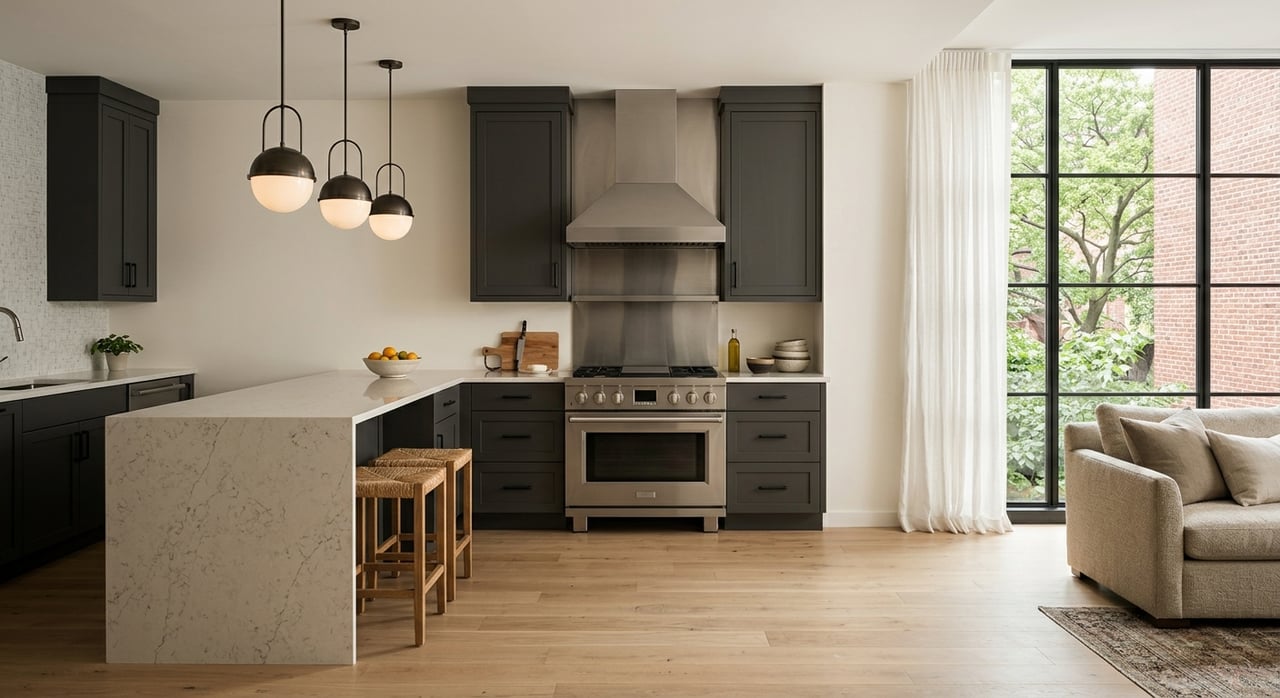
You can learn a lot at a Queens open house in just 20 minutes, but only if you know what to look for. In a market with co-ops, condos, houses, and larger apartment buildings often sitting within the same general area, a quick tour can tell you far more than whether a kitchen looks nice in photos. If you approach open houses strategically, you can compare homes faster, ask better questions, and avoid wasting time on properties that are not the right fit. Let’s dive in.
Why open houses matter in Queens
In Queens, an open house is more than a casual first look. It is a practical way to gather information quickly while you tour multiple homes, which is especially useful in a large housing market with many property types.
That matters because the economics of a purchase can change based on ownership structure as much as location. A co-op, condo, and one- to four-family house can each come with very different rules, disclosures, monthly costs, and renovation limits.
Compare ownership types, not just finishes
When you walk into a polished listing, it is easy to focus on staging, paint colors, and appliances. In Queens, you also want to ask what kind of property you are actually buying and how that affects your day-to-day ownership.
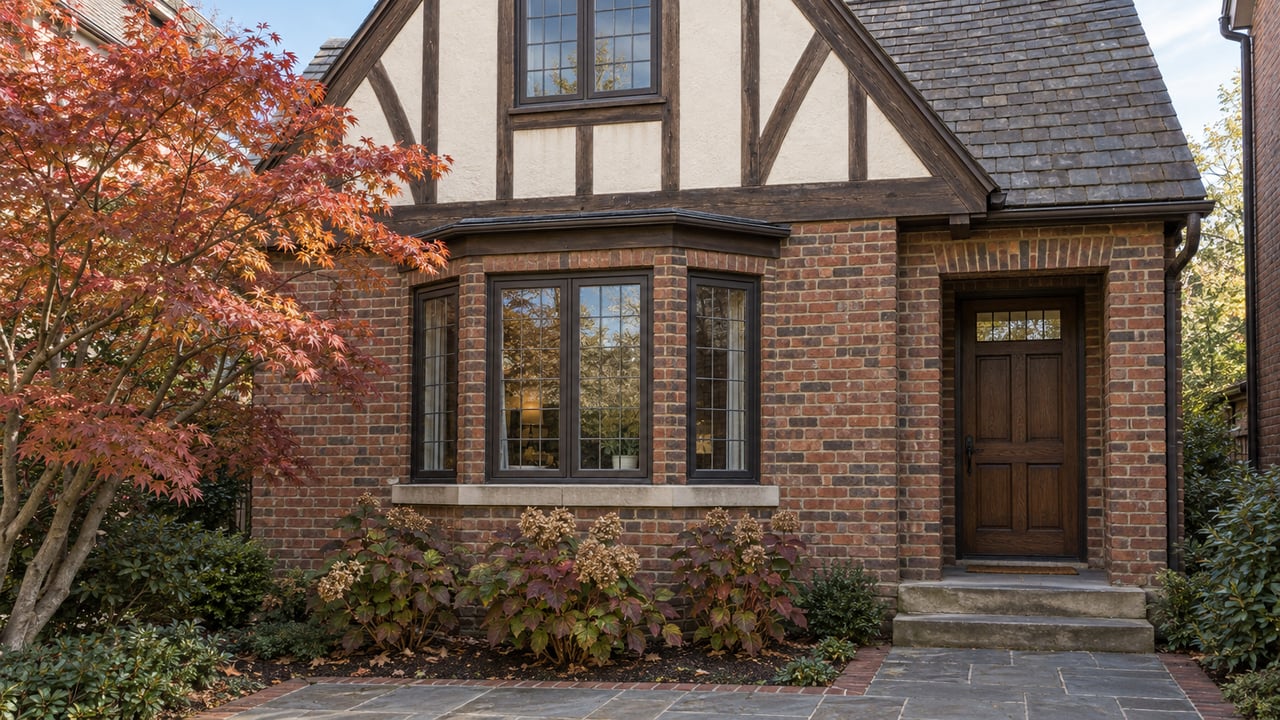
In places like Forest Hills, that comparison becomes even more important. You may see a prewar co-op, a townhouse-style home, and a larger apartment complex within the same area, which makes open houses a useful way to separate cosmetic appeal from structural realities and building rules.
Why Forest Hills is a useful example
Forest Hills has a varied housing mix, including lower- and higher-density housing, co-ops, condos, rentals, and distinctive planned-community sections with older architectural styles. That variety gives you a strong real-world comparison set when you are trying to decide what best fits your budget, lifestyle, and comfort with building regulations.
If you tour several homes there in one afternoon, you may notice that two properties with similar asking prices can offer very different ownership experiences. One may have building oversight and monthly charges, while another may come with broader maintenance responsibility and different disclosure requirements.
What to inspect during the tour
An open house should help you evaluate how a home functions, not just how it photographs. New York State guidance advises buyers to focus on the physical aspects of a property and not rely on brochures, verbal statements, or renderings.
That means you should pay attention to what you can observe directly, and use the visit to flag what needs deeper follow-up later.
Check layout and daily livability
Start with the basics of how the home works for your routine. Notice room flow, natural light, closet depth, storage, and whether your furniture would realistically fit once the staging is gone.
Try to picture your actual day in the space. A living room may look spacious in photos but feel tight in person once you account for pathways, dining space, or a work-from-home setup.
Look past the staging
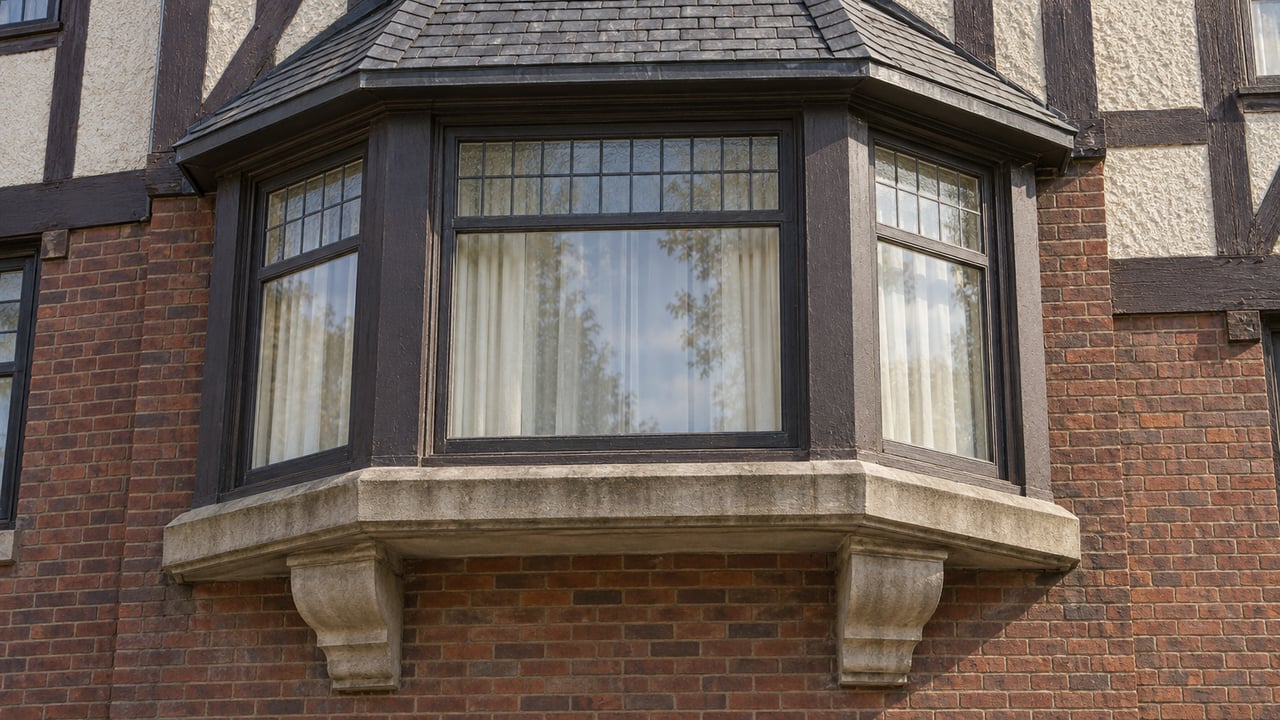
A well-staged home can help you see potential, but it can also distract from condition issues. During the visit, pay attention to ceilings, walls, floors, windows, doors, cabinets, and any clues that suggest leaks, wear, or deferred maintenance.
If possible, check how things feel and function. Look for signs of water damage, uneven flooring, sticking doors, aging finishes, or anything that raises questions about plumbing, heating, air conditioning, or electrical systems.
Read the building, not just the unit
In Queens, especially in older buildings, the condition of the building can matter as much as the apartment itself. Elevators, facade work, roof conditions, plumbing lines, boilers, and electrical upgrades can all affect future costs.
In a neighborhood like Forest Hills, where building age and style vary widely, it helps to read the unit in context. A freshly updated interior should still be weighed against the building’s systems, maintenance history, and any rules that may affect future work.
Watch for landmark or historic constraints
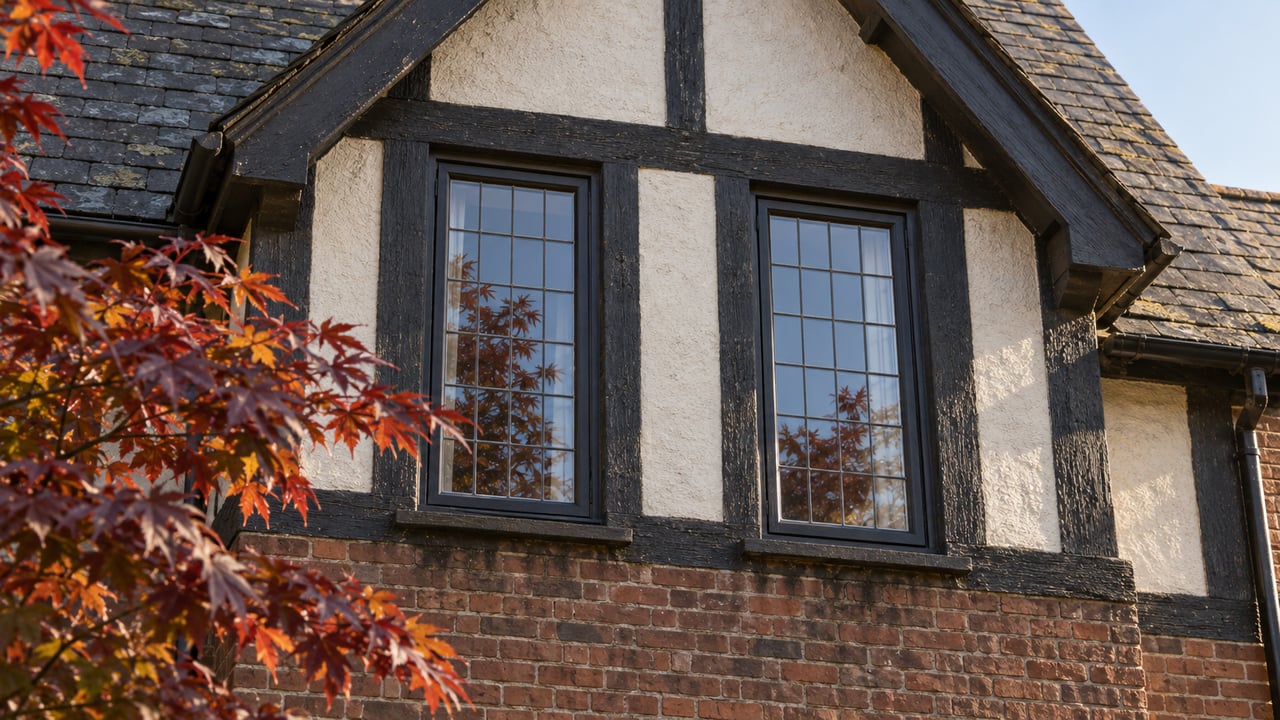
Some properties may be located in areas where exterior changes are more regulated. If a property is in a designated landmark or historic district, approval is generally required before most exterior alterations, reconstructions, demolitions, or new construction.
That does not make a property less desirable, but it does mean your renovation plans may need another layer of review. If exterior updates matter to you, ask early.
Questions to ask before you leave
The right questions can help you sort serious options from pretty distractions. You do not need to solve every issue at the open house, but you should leave with a clear list of what to verify.
If the property is a co-op or condo
Ask whether the unit is a sponsor sale or a resale. That distinction matters because sponsor sales are governed by an offering plan, while a private resale may not come with the same current disclosure package.
You should also ask practical questions about monthly costs, building finances, and what is actually included in the sale. In New York, brochures and verbal statements do not control unless the offering plan says so.
Helpful questions include:
- What do the monthly charges cover?
- Are any assessments planned?
- Are storage, parking, or other amenities included in the sale?
- Do recent board minutes mention facade, roof, elevator, plumbing, boiler, or electrical work?
- Is the reserve fund considered adequate?
- Are there open violations?
- Does the building have a final certificate of occupancy or only a temporary certificate of occupancy?
- If there is a co-op or condo tax abatement, is it current and who files it?
If the property is a one- to four-family house
For a house, ask for the Property Condition Disclosure Statement. As of July 1, 2025, New York requires this form for residential real property, and the form itself states that it does not apply to condominium units or cooperative apartments.
That makes the open house a smart time to ask direct questions about leak history, flooding, repairs, and major system updates. Later, you can compare those answers with the seller’s written disclosures.
What to do right after the open house
The real strategy starts after you leave. If you wait until the next day, details blur together and you are more likely to remember only the staging or the most dramatic feature.
Take notes the same day
Right after each tour, write down what stood out. Focus on layout, condition, noise, light, storage, building feel, monthly costs, and any unanswered questions.
You can also rank homes by categories that matter most to you, such as value, renovation risk, commute convenience, or long-term fit. That makes it easier to compare properties objectively instead of emotionally.
Request documents quickly
If an agent promised board minutes, building financials, offering plan information, or other materials, ask for them while the visit is still fresh. The goal is to verify what you heard and identify any gaps before you invest more time.
This step is especially useful in Queens, where two similar-looking homes may have very different financial or administrative realities once you review the paperwork.
Revisit at a different time
If noise, traffic, or natural light could affect your decision, schedule a second showing at another time of day. A quiet mid-day open house may feel very different during morning rush or after work.
This is one of the easiest ways to make a better-informed choice without overcomplicating your search.
Know who represents whom
If you attend open houses without your own agent, remember that the on-site broker is usually the seller’s agent unless you are told otherwise. Under New York’s disclosure rules, a seller’s agent does not represent the buyer, and dual agency can happen only with informed written consent.
That is one reason many buyers benefit from having their own representation as they narrow options. It can make follow-up, document review, and next-step planning more straightforward.
Use open houses to narrow the field
The goal of an open house is not to make a final decision on the spot. It is to quickly identify which homes deserve deeper due diligence and which ones you can cross off your list.
In Queens, that approach is especially valuable because ownership type, building rules, disclosures, and future repair costs can shift the true value of a purchase. A strategic buyer leaves with better comparisons, better questions, and a shorter, smarter list.
If you want a local perspective as you compare co-ops, condos, and houses in Forest Hills and nearby Queens neighborhoods, Rachel Borut can help you tour with a clearer plan and move forward with confidence.
FAQs
What should Queens buyers look for at an open house?
- Focus on layout, natural light, storage, room flow, visible condition issues, and how the property type affects costs, rules, and future flexibility.
What questions should buyers ask at a Queens co-op or condo open house?
- Ask about monthly charges, planned assessments, what is included in the sale, recent building repairs, reserve funds, open violations, certificate of occupancy status, and any tax abatement details.
Why are open houses useful in Forest Hills?
- Forest Hills offers a mix of co-ops, condos, houses, and larger apartment buildings, which makes it a practical area for comparing ownership types, building rules, and property condition side by side.
What should buyers ask at a Queens house open house?
- Ask for the Property Condition Disclosure Statement and ask direct questions about leaks, flooding, repairs, and updates to major systems.
Should Queens buyers rely on what they hear at an open house?
- No. Use the visit to gather information, but verify important details through documents, disclosures, and follow-up review.
What should buyers do after attending a Queens open house?
- Take notes right away, request promised documents, compare properties while details are fresh, and revisit at another time if noise, light, or traffic could affect your decision.