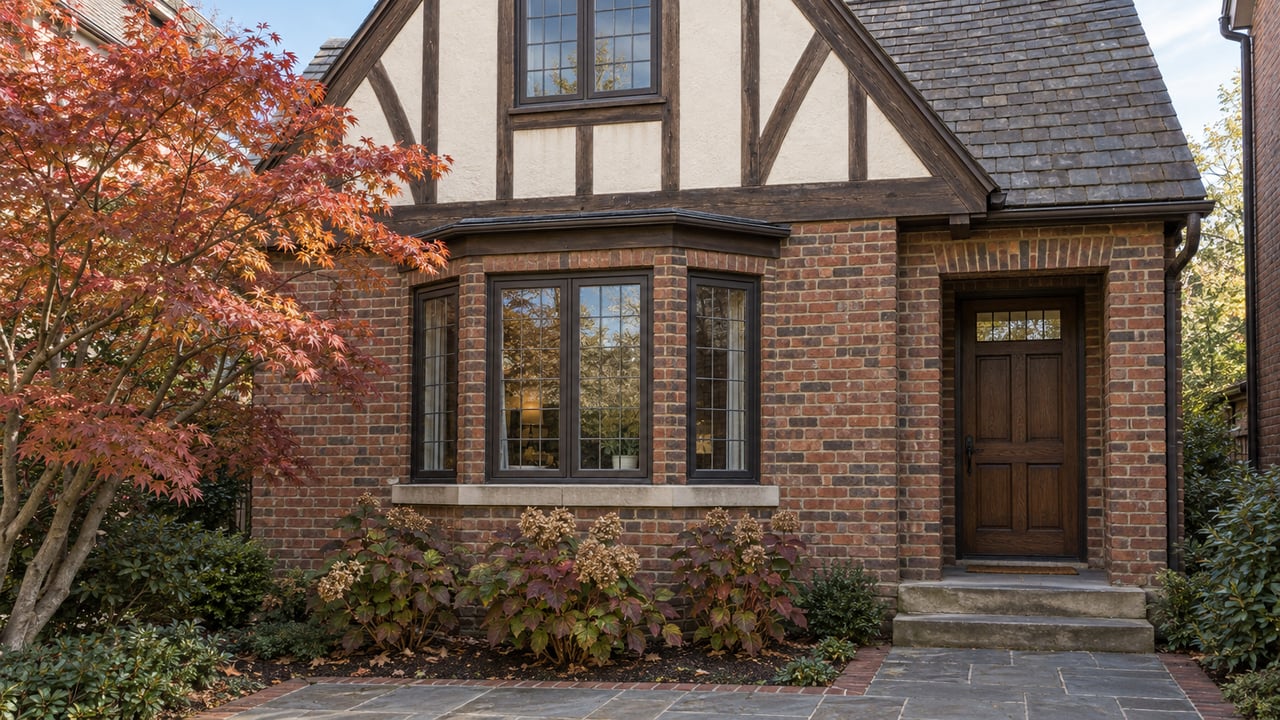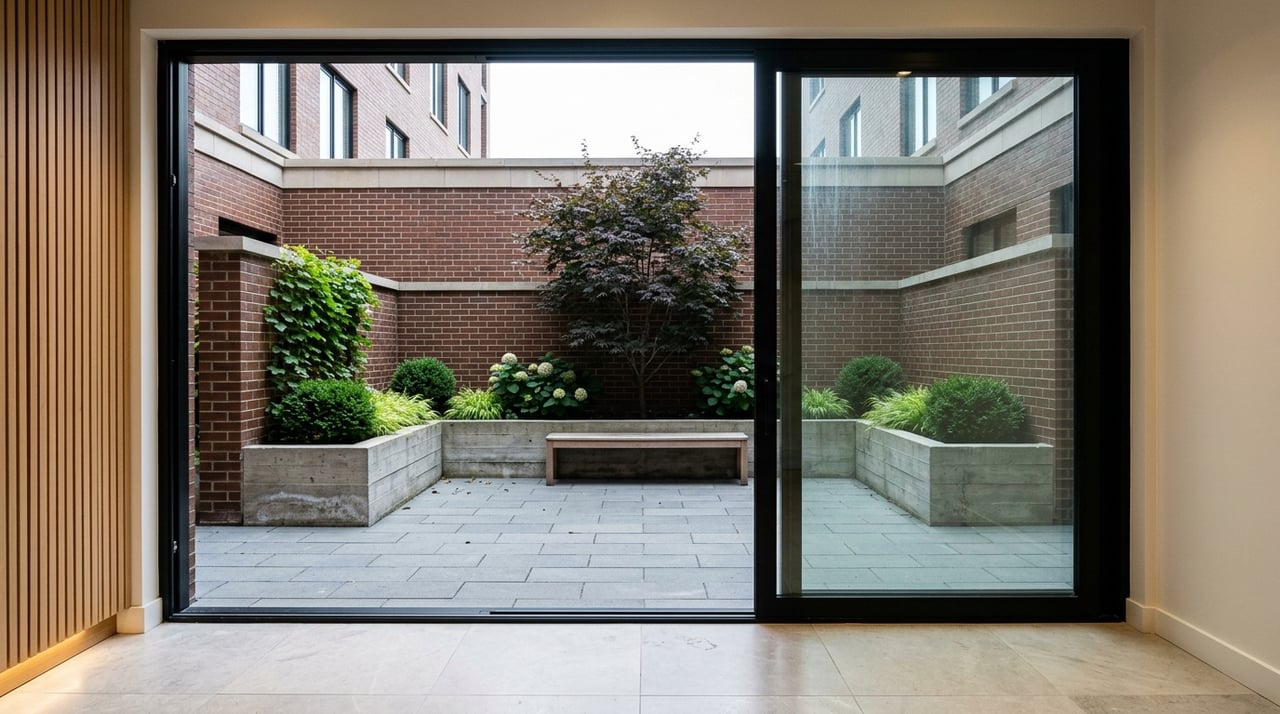
If you are comparing a Queens co-op and condo, the sticker price is only part of the story. Your real monthly cost can look very different depending on how the building structures fees, taxes, and assessments. If you want to make a smarter side-by-side comparison in Forest Hills, Rego Park, and nearby neighborhoods, this guide will help you see what to add up before you decide. Let’s dive in.
Why monthly costs look different
In Queens, the biggest monthly-cost difference is usually simple. Co-op owners typically pay one maintenance charge, while condo owners usually pay common charges plus a separate property-tax bill.
That difference can make a co-op seem more expensive at first glance. In many cases, the co-op maintenance already bundles in property taxes, while a condo listing may show a lower monthly common charge that does not include taxes. To compare accurately, you need to look at the full monthly total, not just the first number you see.
What co-op maintenance usually includes
In New York City, co-op maintenance is paid monthly and can cover a wide range of building expenses. Depending on the building, that may include water and sewer, insurance, management fees, required loan payments, and reserve funding for large capital repairs.
In many Queens co-ops, maintenance may also include items like heat, hot water, gas, trash, snow removal, and property taxes. Some buildings also use part of the maintenance to support an underlying building mortgage. Because of that, two co-ops with similar apartment sizes can still have very different monthly numbers.
Why co-op fees can seem high
A co-op maintenance bill can look high because it often combines several expenses into one payment. That does not automatically mean it is more expensive overall than a condo.
The key is to ask what is included. If taxes, heat, hot water, and gas are already part of the maintenance, your out-of-pocket monthly housing cost may be more predictable than it first appears.
What condo monthly costs usually include
Condo owners usually pay monthly common charges to cover building operations and shared expenses. These charges often help fund common-area upkeep, staffing, and amenities.
Unlike co-op maintenance, condo common charges do not include property taxes. The owner pays taxes separately, sometimes directly and sometimes through a mortgage servicer. That means you should always add the tax bill to the common charges when comparing a condo to a co-op.
Why condo costs can be easier to underestimate
A condo listing may show a lower monthly common charge than a co-op maintenance figure nearby. But if you do not add property taxes and any assessment, you may be comparing incomplete numbers.
This is one of the most common reasons buyers feel surprised later. The listing may look more affordable at first, but the true monthly cost can be meaningfully higher once all required charges are included.
Assessments can change the math
Both co-ops and condos can add temporary assessments when a building needs extra funds for a capital project or when reserves are not enough. This is a major reason why two similar properties can carry very different monthly costs.
An assessment is not always permanent, but it can affect your budget in a very real way while it lasts. If you are comparing properties, ask whether there are any current assessments and whether any new ones are planned.
Queens examples that show the difference
Forest Hills and nearby central Queens neighborhoods are a good place to study this question because they offer a mix of co-ops and condos. Forest Hills itself includes many low- and high-density residential buildings, including rental, co-op, and condominium complexes.
Nearby Rego Park also shows how co-op-heavy some Queens submarkets remain. Current neighborhood inventory there includes far more one-bedroom co-op listings than one-bedroom condo listings, with median asking prices of $309,500 for co-ops and $495,000 for condos.
Forest Hills co-op examples
These recent Forest Hills co-op examples show how maintenance can bundle major costs:
- 113-14 72nd Road #1J lists maintenance of $587/month, with taxes included.
- 70-20 108th Street #9M lists maintenance of $1,031.43/month, including property taxes, heat, cooking gas, and hot water.
- 114-06 Queens Boulevard #C9 lists maintenance of $1,087.84/month, including gas, heat, hot water, sewer, snow removal, trash, water, and common or exterior maintenance.
At a glance, these monthly figures may seem high or low depending on the unit. But they make more sense once you look at what is wrapped into that single payment.
Forest Hills and Rego Park condo examples
These condo examples show why you need to total all monthly charges:
- 100-25 Queens Boulevard #2B in Forest Hills lists $435/month in common charges and $161/month in taxes, for about $596/month before mortgage and utilities.
- 107-24 71st Road #7E in Forest Hills lists $1,107.07/month in common charges plus a $369.79/month assessment, for about $1,476.86/month before taxes.
- 97-12 63rd Drive #8B in Rego Park lists $550/month in common charges and $283/month in taxes.
- 87-30 62nd Avenue #101 in Rego Park lists $983/month in common charges and $891/month in taxes.
These examples show why a condo’s monthly budget can vary so much. The tax bill, amenity package, and any assessment can all move the total higher.
Amenities and building style matter
In Forest Hills and nearby neighborhoods, building type often affects your monthly budget. Newer condos may offer larger amenity packages, and those features need ongoing funding through the building budget.
For example, some newer Forest Hills condo buildings advertise features such as a doorman, gym, playroom, parking, storage, and a roof deck. Amenities can be a real lifestyle benefit, but they can also increase monthly common charges. If you are weighing value, it helps to decide which features you will actually use.
Property taxes in Queens co-ops and condos
For New York City class 2 properties, co-op owners do not receive the tax bill directly. The bill is mailed to the co-op board, and the board allocates those property taxes to each unit as part of the building charges.
That is one reason co-op maintenance can feel less transparent to first-time buyers. The taxes are there, but they are typically folded into the monthly maintenance instead of appearing as a separate line item.
For condos, the taxes are separate. That makes the monthly structure easier to break apart, but it also means you have to be careful not to leave that piece out when budgeting.
Could an abatement help?
Eligible primary-residence co-ops and condos may qualify for New York City’s co-op and condo property-tax abatement. Current benefit tiers range from 17.5% to 28.1% based on average assessed value.
The development applies on behalf of the units rather than each owner applying separately. If you are reviewing a condo or co-op, it is worth asking whether the building currently receives this benefit and whether the listed monthly numbers already reflect it.
Questions to ask before you buy
If you are comparing Queens co-ops and condos, a few targeted questions can save you from budget surprises later. Focus on the full monthly picture, not just the asking price.
Ask questions like these:
- Does the monthly fee include property taxes?
- Are heat, hot water, gas, water, or parking included?
- Is there a current assessment?
- Are there planned repairs that could lead to a future assessment?
- Does the building have reserve funds for major capital work?
- Does the property receive the co-op or condo tax abatement?
- How do the building’s age, staffing, and amenities affect the budget?
How to compare a co-op and condo fairly
When you compare two listings, create one clean monthly number for each property. For a co-op, start with maintenance and then add anything not included, such as electricity or parking if applicable.
For a condo, add common charges, property taxes, and any assessment. Then add any extra monthly costs that are not covered by the building. This gives you a more realistic apples-to-apples comparison.
A simple comparison framework
Use this quick approach when reviewing listings:
- Co-op total = maintenance + costs not included in maintenance
- Condo total = common charges + property taxes + assessments + costs not included
This does not replace a full financial review, but it helps you avoid common comparison mistakes early in your search.
The bottom line for Queens buyers
In Queens, co-ops and condos can each make sense depending on your budget, priorities, and the building itself. A co-op may offer a simpler monthly structure because many major costs are bundled together. A condo may offer a different ownership structure and amenities, but the real monthly number often requires more careful math.
If you are shopping in Forest Hills, Rego Park, or nearby neighborhoods, local context matters. Building age, amenities, taxes, assessments, and what is included in the fee can change the picture quickly. Reviewing those details carefully can help you choose with more confidence and fewer surprises.
If you want help comparing real monthly costs in Queens co-ops and condos, Rachel Borut can help you evaluate listings, ask the right questions, and make sense of the numbers before you move forward.
FAQs
What is the difference between co-op maintenance and condo common charges in Queens?
- In Queens, co-op maintenance is usually one monthly payment that may include property taxes and other building expenses, while condo common charges cover shared building costs and property taxes are billed separately.
Do Queens co-op maintenance fees include property taxes?
- In many Queens co-ops, property taxes are included in the monthly maintenance because the tax bill goes to the co-op board, which allocates the cost to each unit.
Do Queens condo common charges include property taxes?
- No. Condo common charges generally do not include property taxes, so you need to add the separate tax bill to understand the full monthly cost.
Can co-ops and condos in Queens have assessments?
- Yes. Both co-ops and condos can charge temporary assessments when a building needs extra funds for repairs, improvements, or other capital projects.
Why can a Forest Hills condo look cheaper than a co-op at first?
- A Forest Hills condo may show a lower common charge in the listing, but that number often does not include property taxes or assessments, while a co-op maintenance figure may already bundle several costs together.
Can a Queens co-op or condo receive a property-tax abatement?
- Eligible primary-residence co-ops and condos may receive New York City’s co-op and condo property-tax abatement, with current benefit tiers ranging from 17.5% to 28.1% based on average assessed value.