Looking for a home in Queens and wondering whether a prewar co-op will fit your real life, not just your Pinterest board? That is a smart question, especially in neighborhoods like Forest Hills, where prewar buildings are part of the area’s identity and daily rhythm. If you are weighing charm against convenience, this guide will help you understand what prewar co-op living in Queens can actually feel like day to day. Let’s dive in.
Why Prewar Co-ops Matter in Queens
In Queens, prewar co-ops are not just older buildings. They are part of a broader neighborhood pattern shaped by early 20th-century planning, masonry apartment houses, and garden-apartment design.
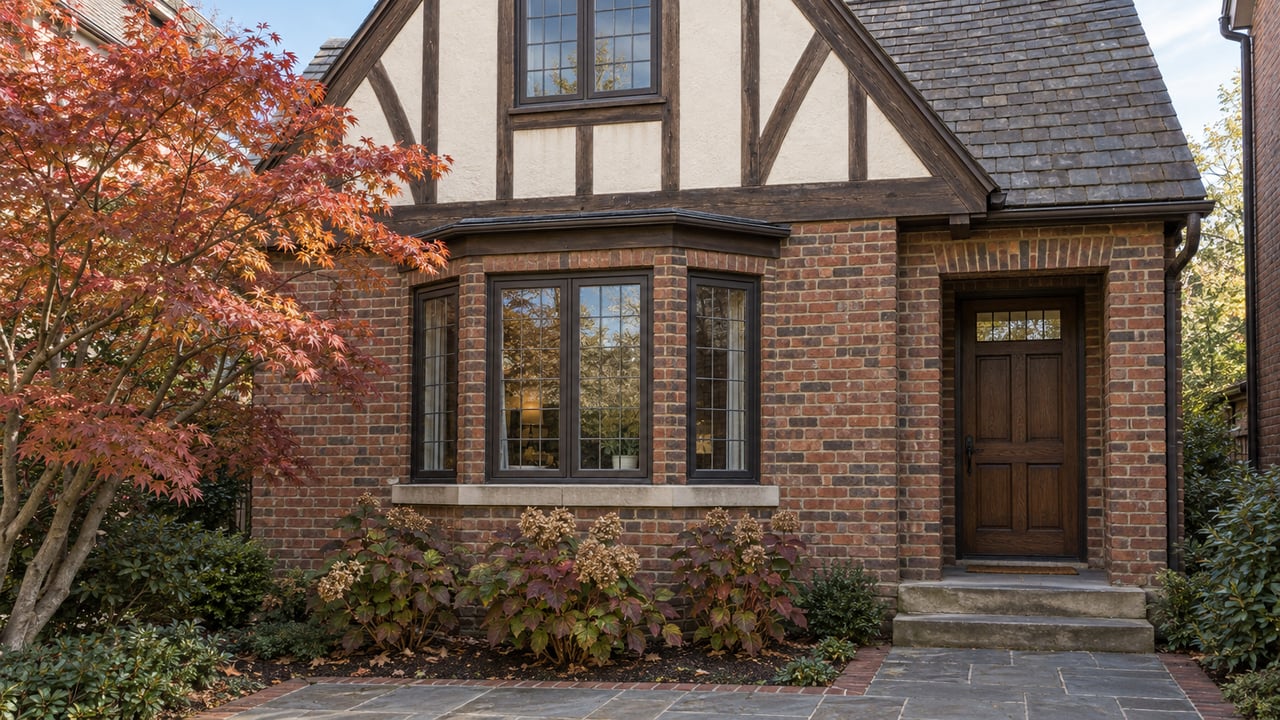
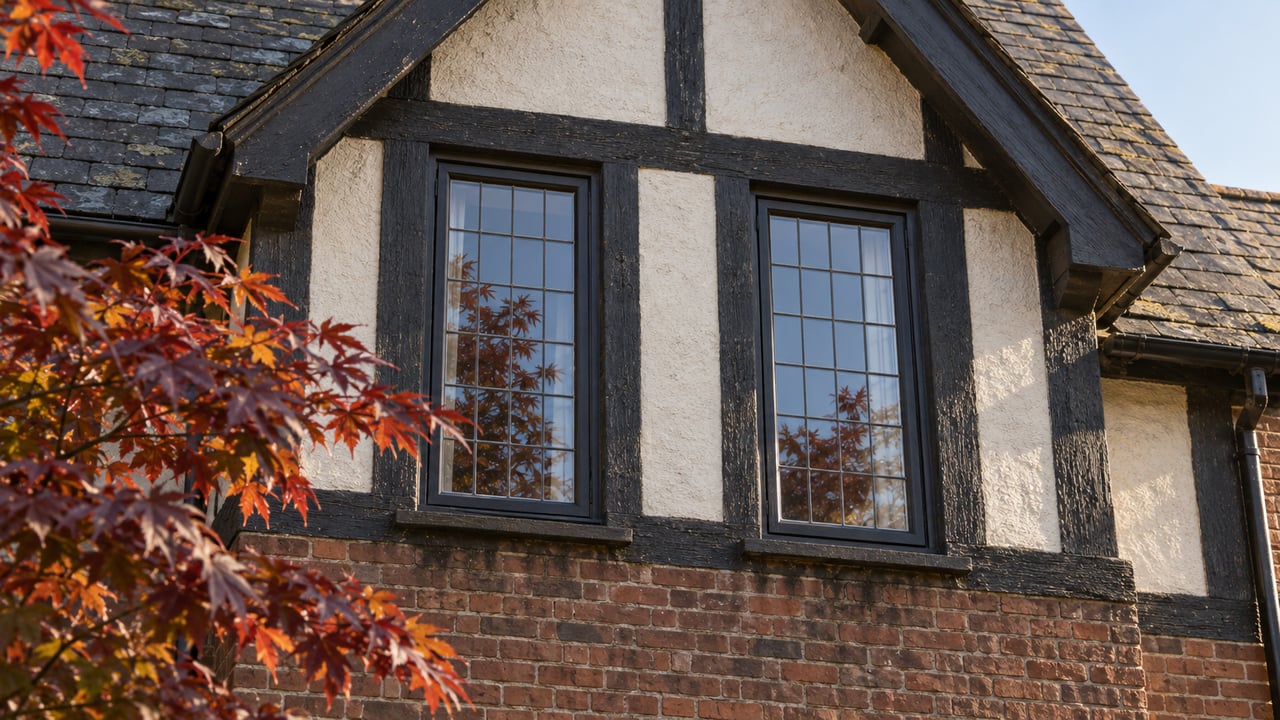
Forest Hills is one of the clearest local examples. According to Queens Community Board 6, the neighborhood includes a mix of low- and high-density residential buildings, with many rental, co-op, and condominium complexes. The planned core of Forest Hills Gardens is known for its curved streets and Tudor-style buildings, which still shape the area’s look and feel today.
Landmarks Preservation Commission materials describe Forest Hills Gardens as the first American residential experiment based on English garden-city principles. The idea was to create homes with beauty, fresh air, and open space while also showing that thoughtful design could be practical and profitable.
That influence did not stop there. LPC materials on Jackson Heights explain that the borough’s garden-apartment tradition grew out of reduced lot coverage, courtyard planning, and landscaped open space, with Forest Hills Gardens serving as an early precedent. In simple terms, Queens prewar living often reflects not just a building style, but an entire way of planning residential space.
What “Prewar” Usually Means
In New York City, “prewar” generally refers to a building built before World War II. That label often signals certain design features that many buyers still love today.
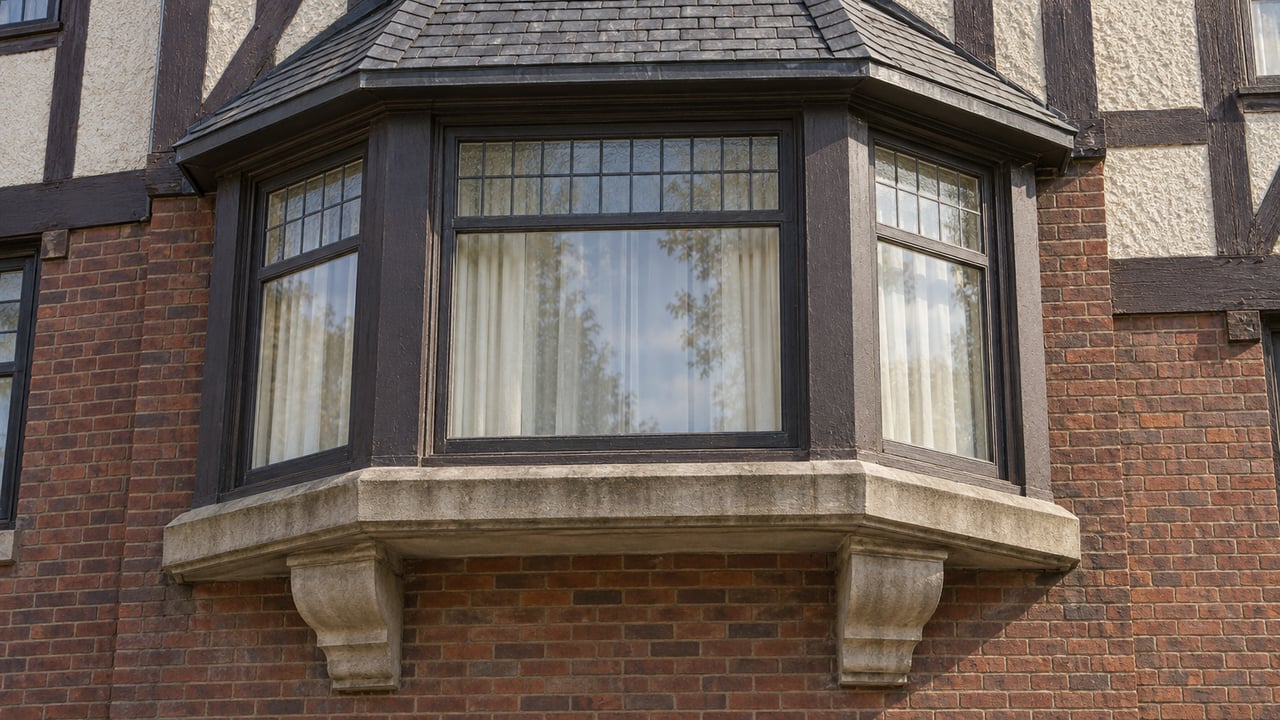
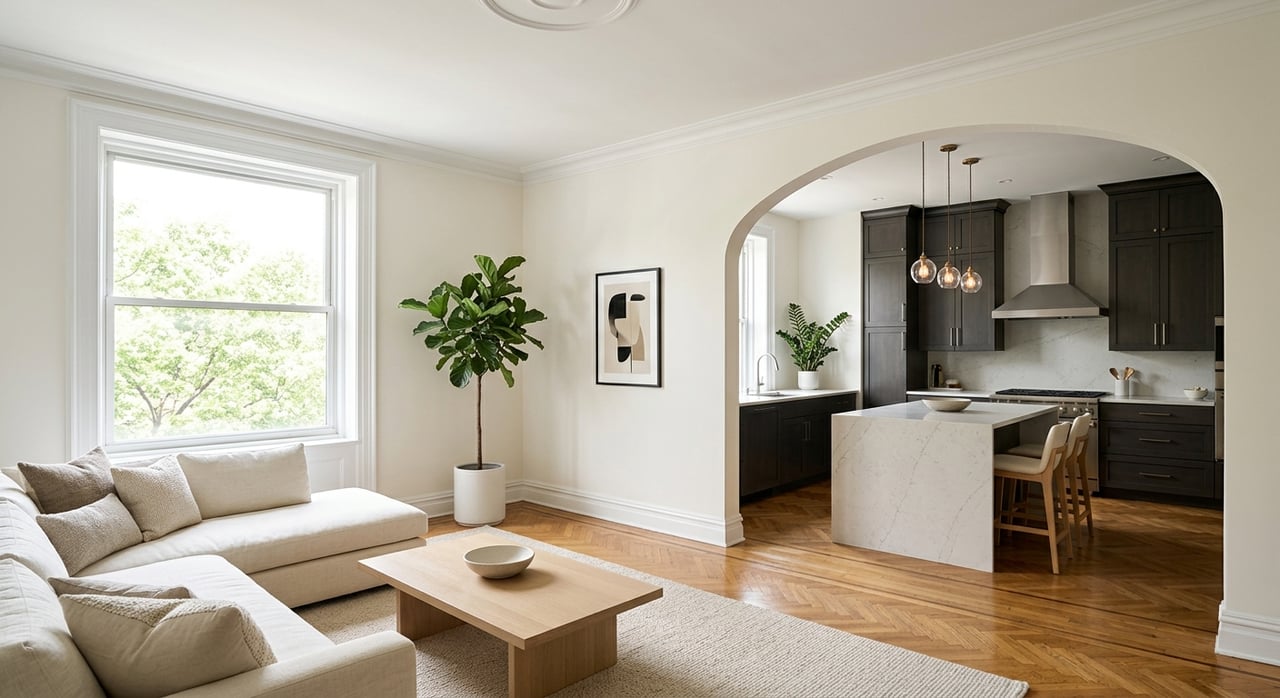
You may find high ceilings, larger rooms, big windows, crown moldings, detailed woodwork, and more traditional layouts. Some apartments include separate dining rooms, gracious entry foyers, light courts, courtyards, or decorative lobbies with finishes like marble floors or coved ceilings.
These details can make a home feel warm, substantial, and distinct from many newer buildings. In a market where so many apartments can feel interchangeable, that character often stands out right away.
How Prewar Living Feels Day to Day
The appeal of a prewar co-op usually shows up in the way you use the space every day. A larger living room may feel easier for hosting. A separate dining area can give you more flexibility for meals, work, or hobbies.
High ceilings and bigger windows can make rooms feel airy and calm. Traditional layouts can also create more separation between living, dining, and sleeping spaces, which some buyers prefer over open-plan design.
Many buyers also appreciate the sense of solidity in older buildings. Prewar buildings are often described as more solidly constructed, and that can contribute to a quieter, more established feel.
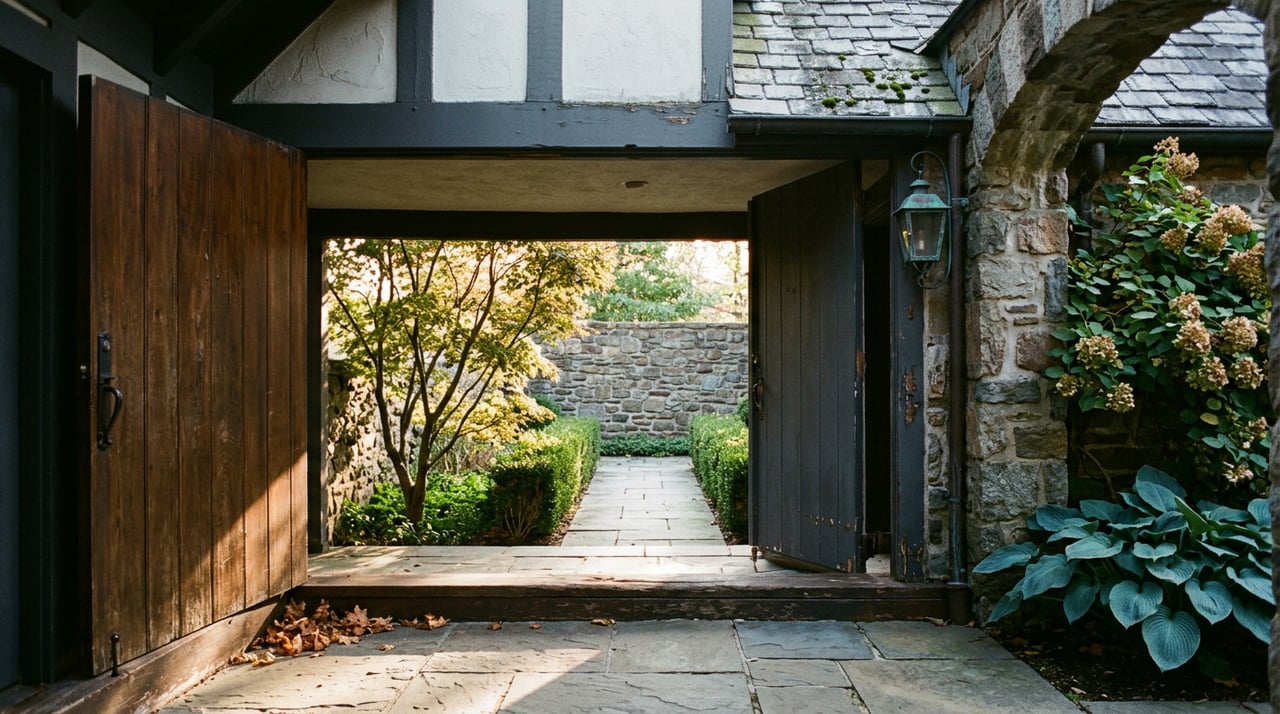
In Queens neighborhoods with landscaped courtyards or garden-apartment planning, the experience can extend beyond your unit. Shared outdoor space, masonry architecture, and mature streetscapes often become part of the everyday appeal.
Where Prewar Function Can Be Different
Charm is real, but so are the tradeoffs. One of the most helpful ways to think about prewar co-ops is this: prewar charm and prewar function are not always the same thing.
Older buildings often have fewer modern conveniences. You may see less central AC or HVAC, fewer in-unit washer and dryer options, older heat systems, and windows that are less energy efficient than newer replacements.
Kitchens and bathrooms can also feel smaller than what you might find in newer construction. Closet space, storage setup, and room flow can vary a lot from one building to another.
That is why it helps to look beyond beautiful details. When you tour a prewar co-op, pay close attention to:
- Ceiling height
- Room proportions
- Closet space
- Kitchen size and layout
- Bathroom size
- Window condition
- Overall modernization of the apartment and building systems
A lovely original layout may still need updates to support how you actually live. The goal is not to avoid prewar buildings. It is to understand which ones balance character with function in a way that works for you.
How Queens Co-op Ownership Works
Buying a co-op in New York is different from buying a condo or house. In a co-op, you are purchasing shares in a corporation, and those shares are tied to a specific apartment through a long-term proprietary lease.
Your maintenance charges are based on the number of shares allocated to the apartment. That structure is important because it affects both your monthly costs and how the building is governed.
Co-op living is also more communal and rule-driven than some buyers expect. The building is overseen by a board elected by shareholders, and that board must follow the co-op’s bylaws, proprietary lease, certificate of incorporation, and house rules.
Those documents often cover topics such as:
- Annual meetings
- Board elections
- Sublet policies
- Day-to-day building rules
- Shareholder responsibilities
For many buyers, this structure feels stable and organized. But it also means you should go in with clear expectations about building policies and shared decision-making.
What Older Queens Co-ops May Need Over Time
Every building needs maintenance, and older buildings usually need careful long-term planning. According to guidance from the New York State Attorney General, some of the most expensive recurring issues in existing co-op and condo buildings involve facade defects, roof and elevator repairs, plumbing and electrical upgrades, and boiler replacements.
That does not mean every prewar building is a problem. It means building condition and financial planning matter just as much as apartment style.
If you are considering a prewar co-op, due diligence matters. The Attorney General advises buyers to review:
- The full offering plan
- Board minutes from the prior year
- The most recent financial report
- Any posted violations
These items can give you a better sense of how the building is run, what repairs may be coming, and whether the board is addressing issues proactively.
Prewar vs. Newer Construction
For many Queens buyers, the choice comes down to lifestyle. Prewar co-ops and newer buildings often serve different priorities.
| Feature | Prewar Co-ops | Newer Construction |
|---|---|---|
| Layout | More traditional room separation | More open layouts |
| Room size | Often larger and more gracious | Often more compact but efficient |
| Character | Architectural detail and historic feel | Clean, modern finishes |
| Systems | Older systems are more common | Modern systems are more common |
| Amenities | Usually fewer amenities | Often includes gyms, playrooms, or other amenity spaces |
| Washer/Dryer | Less common in-unit | More often washer/dryer-ready |
If you value classic details, room proportions, and a more established residential feel, a prewar Queens co-op may be the better fit. If your top priorities are modern systems, amenity space, and lower day-to-day friction, newer construction may feel more practical.
Neither option is automatically better. The right choice depends on how you live, what compromises you are comfortable making, and how each building has been maintained.
A Queens Detail to Watch: Landmark Rules
In some Queens neighborhoods, historic designation can affect exterior work on a building. If a co-op building is landmarked or located within a historic district, exterior work usually requires review by the Landmarks Preservation Commission.
According to LPC, restoration, alteration, reconstruction, demolition, or new construction affecting the exterior of a designated building or a building in a historic district requires a permit, even if the work is not visible from the street. Some ordinary repairs, such as replacing broken glass or touching up paint in kind, may not require a permit.
For buyers, this is not necessarily a negative. Historic designation can help preserve the character that makes these buildings appealing in the first place. Still, it is useful to know that exterior changes may involve an additional review process.
How to Decide if a Prewar Co-op Fits You
If you are drawn to prewar living in Queens, the next step is not just finding a pretty apartment. It is matching the building and the unit to your real routine.
Ask yourself a few practical questions:
- Do you want larger rooms and classic detail more than open-plan design?
- Are you comfortable with older building systems if the apartment has strong character?
- How important are in-unit laundry, central air, or amenity spaces?
- Do you prefer a home with a more established feel?
- Are you prepared to review co-op finances and rules carefully?
When you answer those questions honestly, your search usually gets much clearer. In Queens, especially in Forest Hills and nearby neighborhoods, the best prewar co-op for you is the one that supports your lifestyle as well as your taste.
A knowledgeable local guide can make a big difference here. Building condition, co-op policies, and neighborhood context all matter, and those details are easier to interpret when you work with someone who knows the market block by block.
If you are exploring prewar co-ops in Forest Hills or nearby Queens neighborhoods, Rachel Borut can help you evaluate the tradeoffs, understand the building details, and move forward with confidence.
FAQs
What is a prewar co-op in Queens?
- A prewar co-op in Queens usually refers to a co-op apartment in a building constructed before World War II, often with features like high ceilings, larger rooms, traditional layouts, and decorative architectural details.
How does co-op ownership work in New York?
- In a New York co-op, you buy shares in a corporation that are tied to a specific apartment, and your right to occupy the apartment comes through a long-term proprietary lease.
What are the benefits of prewar co-ops in Forest Hills?
- Prewar co-ops in Forest Hills often offer classic architectural character, more traditional room layouts, and a neighborhood setting shaped by early planned residential design.
What are the drawbacks of older co-op buildings in Queens?
- Older co-op buildings in Queens may have older systems, fewer modern conveniences, less in-unit washer and dryer flexibility, and potential future repair needs such as plumbing, electrical, roof, facade, elevator, or boiler work.
Are landmark rules important for Queens prewar buyers?
- Yes, if a building is landmarked or located in a historic district, exterior work usually requires LPC review and permits, so it is important to understand those rules before buying.
What should you review before buying a Queens co-op?
- Before buying a Queens co-op, you should review the offering plan, recent board minutes, the latest financial report, and any posted violations to better understand the building’s condition and governance.
Are prewar co-ops better than new buildings in Queens?
- Not necessarily, because prewar co-ops often offer more character and larger proportions, while newer buildings often offer more modern systems, amenities, and convenience.