Selling a Queens apartment is rarely as simple as putting a sign in the window and waiting for offers. Between co-op or condo rules, building paperwork, repair decisions, and launch timing, the details can affect both your sale price and your stress level. The good news is that a smart pre-listing plan can help you avoid delays, present your apartment well, and answer buyer questions before they become problems. Let’s dive in.
Why Queens sellers need a checklist
Queens apartment sales come with their own rhythm. Many sellers are dealing with co-op or condo requirements, which are different from selling a single-family home. That means your prep work should focus not just on the apartment itself, but also on the building documents, approvals, and fees tied to the sale.
Recent market data shows why preparation matters. In Q4 2025, the overall median sales price in Queens was $739,053, with condo median sales at $680,000 and co-op median sales at $339,750. The same market report showed a 5.6% average listing discount and a 62-day average market pace, which means buyers are paying attention to value, condition, and presentation.
Know whether you own a co-op or condo
Before you make your to-do list, confirm which type of apartment you own and what that means for your sale. In New York, a co-op owner buys shares in a corporation tied to a proprietary lease, while a condo owner holds title to a unit plus an interest in the common elements, according to the New York State Attorney General’s cooperative overview.
That difference shapes the paperwork buyers will expect and the questions your attorney and managing agent will need to answer. It can also affect fees, approvals, and what is recorded publicly.
Gather documents before listing
One of the best things you can do is collect documents early. This step helps your listing go live faster and gives buyers more confidence once they start reviewing the apartment and building.
For a co-op resale, be ready to locate:
- Stock certificate
- Proprietary lease
- Governing documents
- Transfer documents that affect the sale
For a condo resale, buyers commonly review:
- Declaration and amendments
- Offering plan
- Board minutes
- Recent financial reports
These materials help buyers look for assessments, defects, or unresolved building issues, as outlined in guidance from the New York courts attachment on resale documents.
You should also check the public record. ACRIS is New York City’s system for deeds, mortgages, and other recorded property documents, and it can help confirm what has been recorded against the unit.
Confirm permits and sign-offs
If you completed any work in the apartment, do not wait until a buyer asks questions. Gather any Department of Buildings permits, approvals, and sign-offs before listing.
The NYC Department of Buildings says a final Certificate of Occupancy or Letter of Completion confirms that finished work matches the approved plans, paperwork is complete, fees are paid, and any violations or other approvals have been resolved. If you had renovations, having this organized early can reduce last-minute scrambling during due diligence.
Ask about building fees upfront
Queens sellers are often surprised by building-specific costs. Before your apartment hits the market, ask your attorney and managing agent whether your building charges a transfer fee or flip tax.
According to Habitat, NYC co-op flip taxes are commonly 1% to 3% and should be authorized in the offering plan or by an approved lease amendment. Knowing this early helps you estimate your net proceeds and avoid confusion when offers come in.
Understand disclosure rules
Many sellers assume they need the same disclosure forms used in house sales, but that is not always true for Queens apartments. The New York Property Condition Disclosure Statement guidance says the form usually does not apply to condominium units or cooperative apartments.
That does not mean buyers will skip their review. The same state guidance makes clear that buyers should rely on inspections and public records, not just seller forms. In practice, that means issues with condition, repairs, or building records still matter.
Fix what buyers will notice first
You do not need a full renovation to prepare your apartment for sale. In most Queens co-ops and condos, a light, strategic refresh is a better use of time and money.
Start with visible problems that can turn buyers off right away. The Attorney General’s buyer guide for co-ops and condos notes that buyers inspect ceilings and walls for leaks, test plumbing and mechanical systems, and review building records for bigger issues.
Focus on items like:
- Dripping faucets
- Scuffed walls
- Loose handles
- Chipped paint
- Worn grout
- Sticky doors
- Burned-out light bulbs
- Signs of leaks or water damage
If larger building issues have been discussed, such as facade, roof, elevator, plumbing, electrical, or boiler work, expect buyers to ask about those too. Your goal is not perfection. Your goal is to show that the apartment feels cared for and that obvious red flags have been addressed.
Skip over-renovating before sale
It is tempting to do a big upgrade right before listing, but that is not always the smartest move. The 2025 NAR staging report found that the most common seller recommendations were decluttering and cleaning, not major remodeling.
That same report showed that 29% of agents saw staging lead to a 1% to 10% increase in the dollar value offered, while 49% said staging reduced time on market. For many Queens apartments, that points to practical prep: neutral paint if needed, fewer items on countertops, lighter furniture placement, and replacing anything noticeably worn or distracting.
Stage the rooms that matter most
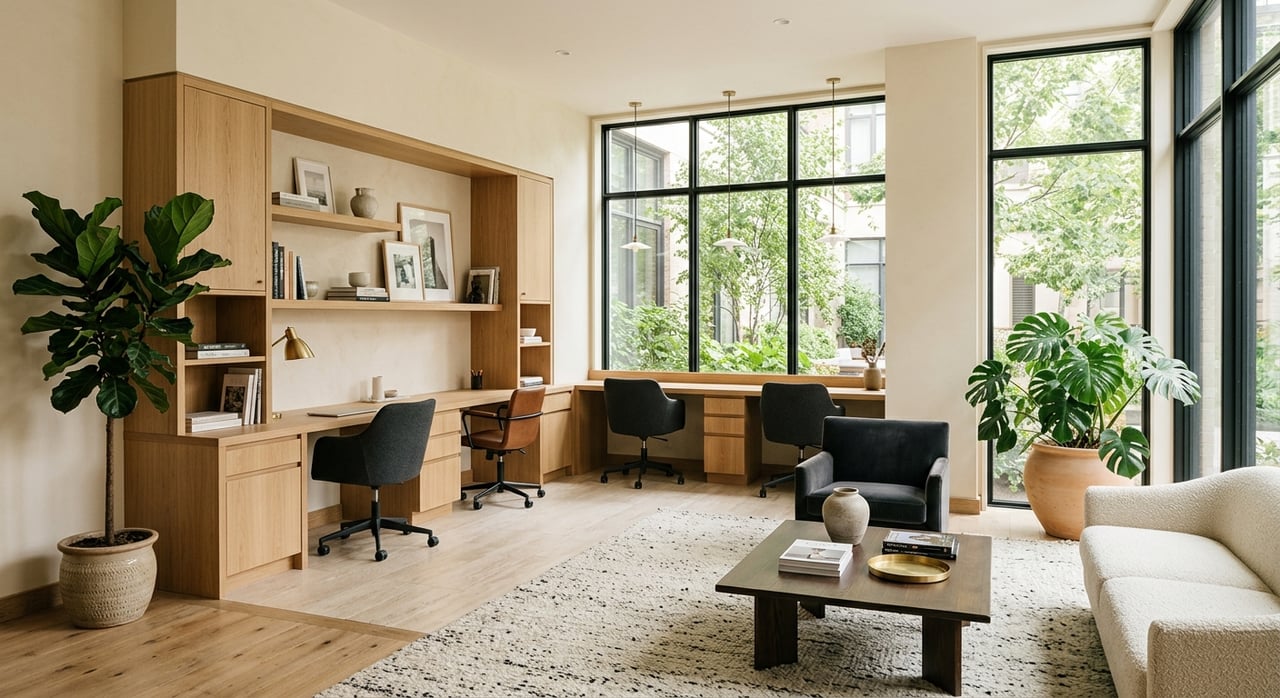
When you are deciding where to spend your effort, start with the spaces buyers notice most. NAR reported that the most commonly staged rooms were the living room, primary bedroom, dining room, and kitchen.
That is especially important in apartments where layout and scale matter. If a room feels crowded, remove extra furniture. If surfaces feel busy, clear them off. If a space lacks warmth, simple styling and better lighting can make it feel more open and more usable.
Prepare for photos the right way
Photos are one of the most important parts of your launch. In the same NAR report on staging and marketing, buyers’ agents said photos were more or much more important than traditional staging, video, or virtual tours.
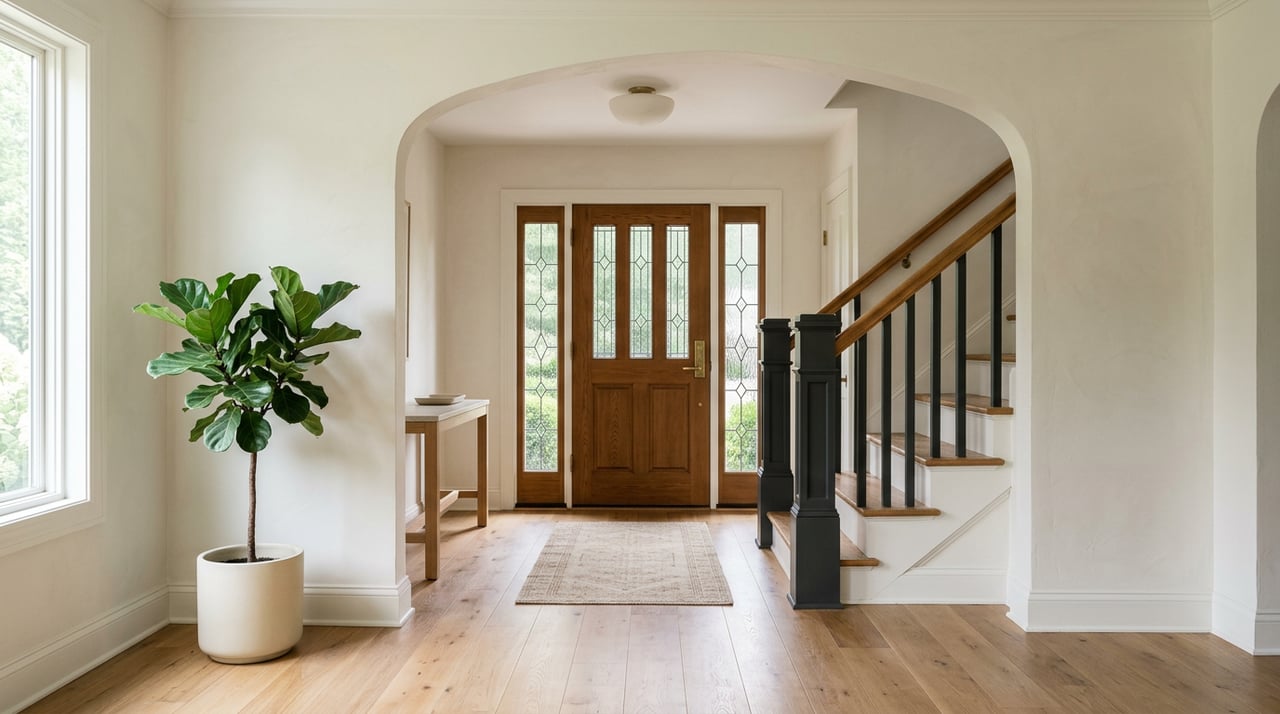
That means the apartment should be fully cleaned, staged, and brightly lit before photography. Great listing photos help buyers decide whether to schedule a showing, and they set the tone for your first days on the market.
A simple photo-day checklist includes:
- Open blinds and curtains
- Turn on every working light
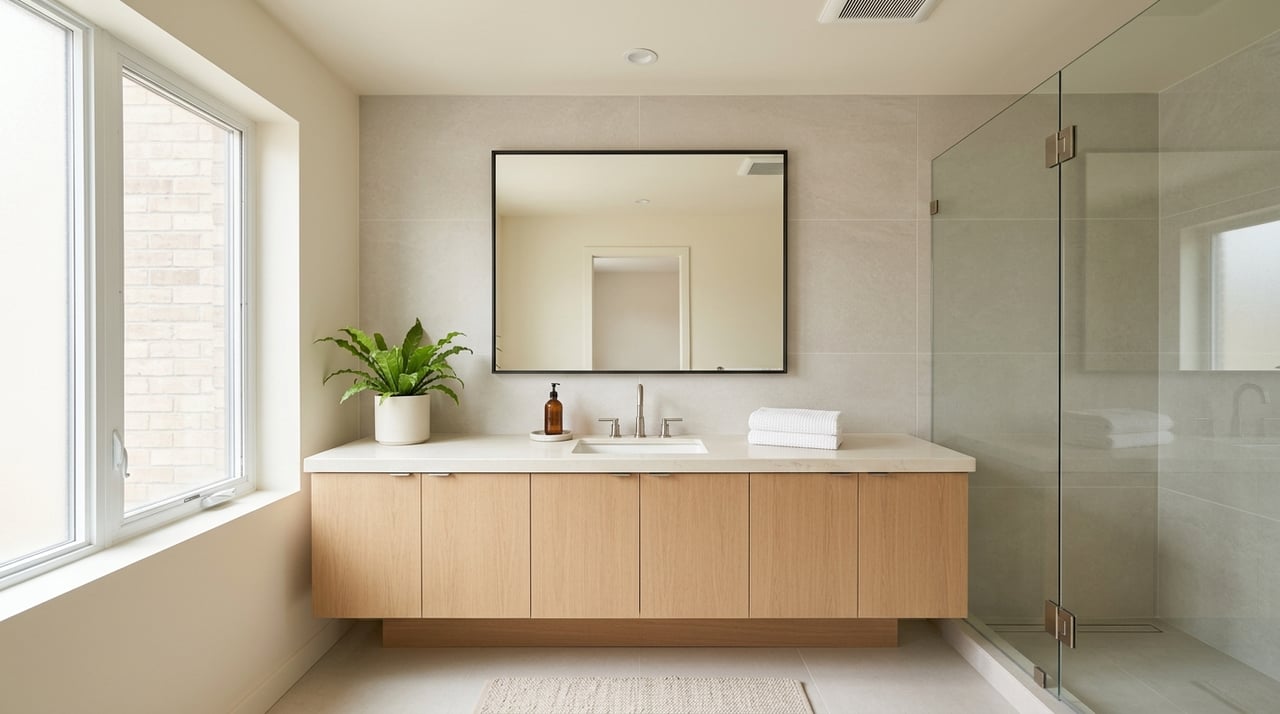
- Clear kitchen and bathroom counters
- Hide cords and personal items
- Make beds neatly
- Remove trash bins, pet items, and excess furniture
Protect privacy during showings
Before photos and showings begin, put away personal and valuable items. The NAR consumer guide on privacy and safety recommends removing family photos, mail, calendars, Wi-Fi passwords, documents, jewelry, medications, firearms, and other valuables.
NAR also recommends asking for a no-photography note in the MLS and using an electronic lockbox so access can be tracked. For a Queens co-op or condo, your showing plan should also follow the building’s access procedures and managing agent instructions.
Budget for transfer taxes early
Your pre-listing checklist should include a closing cost review, not just home prep. Transfer taxes can affect your bottom line, so it helps to understand them before you price the apartment and start reviewing offers.
According to the NYC Department of Finance transfer tax page, the city’s Real Property Transfer Tax applies to sales over $25,000. For residential transfers such as an individual condo unit or co-op apartment, the city rate is 1% at $500,000 or less and 1.425% above that.
The same source says New York State’s base transfer tax is $2.00 per $500 of consideration. It also notes that the state mansion tax generally applies to residential conveyances of $1 million or more and is typically buyer-paid, while NYC has a supplemental tax on certain residential conveyances of $2 million or more.
Use a practical pre-listing sequence
If you are wondering what order to tackle everything in, keep it simple. A practical Queens pre-listing sequence, based on the sources above, looks like this:
- Collect apartment and building documents
- Confirm co-op or condo requirements
- Verify any transfer fees or flip tax
- Close out permits and sign-offs
- Make visible repairs
- Declutter and deep clean
- Stage the main rooms
- Schedule professional photography
- Launch with tax and fee answers ready
This kind of step-by-step plan helps create a smoother listing process and a more confident buyer experience.
Why preparation pays off
In a market where buyers compare value carefully, your first impression matters. Clean presentation, organized paperwork, and clear answers about building rules and seller costs can help reduce friction from the start.
That is where a hands-on plan can make a real difference. If you are getting ready to sell in Forest Hills or another Queens neighborhood, Rachel Borut can help you build a smart pre-listing strategy, coordinate presentation, and guide the process from launch through closing.
FAQs
What documents do you need to sell a Queens co-op apartment?
- You will usually want your stock certificate, proprietary lease, and any governing or transfer documents that affect the sale.
What documents do you need to sell a Queens condo apartment?
- Buyers commonly review the declaration and amendments, offering plan, board minutes, and recent financial reports, along with recorded documents tied to the unit.
Does the New York Property Condition Disclosure Statement apply to Queens co-ops and condos?
- Usually no, because the state says the form generally does not apply to condominium units or cooperative apartments.
What repairs should you make before listing a Queens apartment?
- Focus first on visible issues such as leaks, chipped paint, worn grout, sticky doors, loose hardware, scuffed walls, and burned-out bulbs.
How should you prepare a Queens apartment for listing photos?
- Clean thoroughly, declutter, stage key rooms, brighten the space, and remove personal items and valuables before photography.
What seller fees should you ask about before listing a Queens apartment?
- Ask your attorney and managing agent about transfer fees, flip taxes, and any other building-specific charges that could affect your closing costs.
What transfer taxes apply when selling a Queens apartment?
- NYC transfer tax applies to qualifying sales, with residential rates of 1% at $500,000 or less and 1.425% above that, and New York State also charges a base transfer tax.