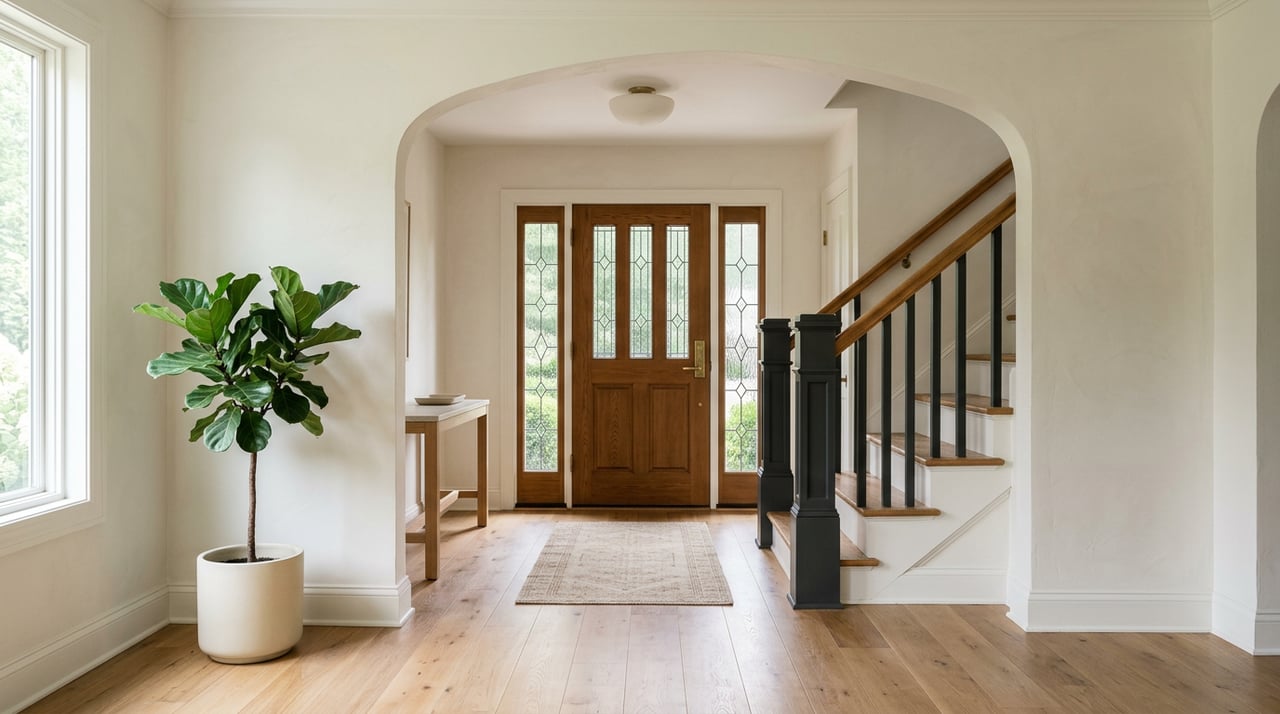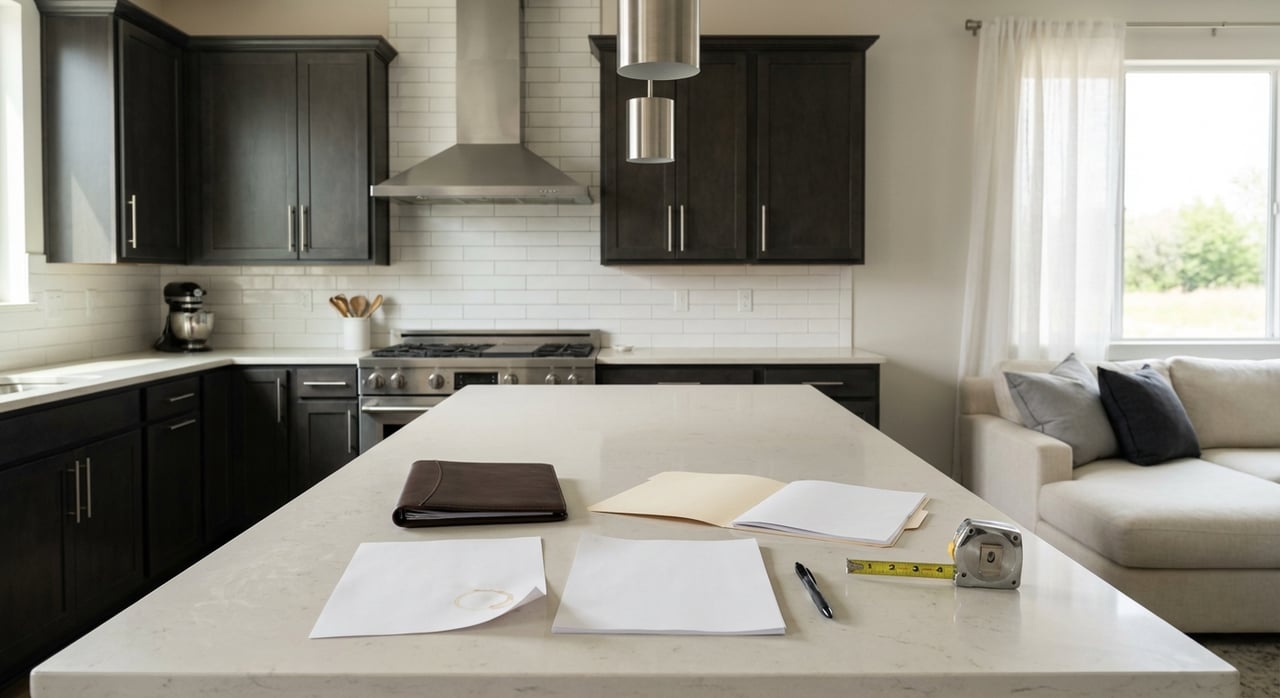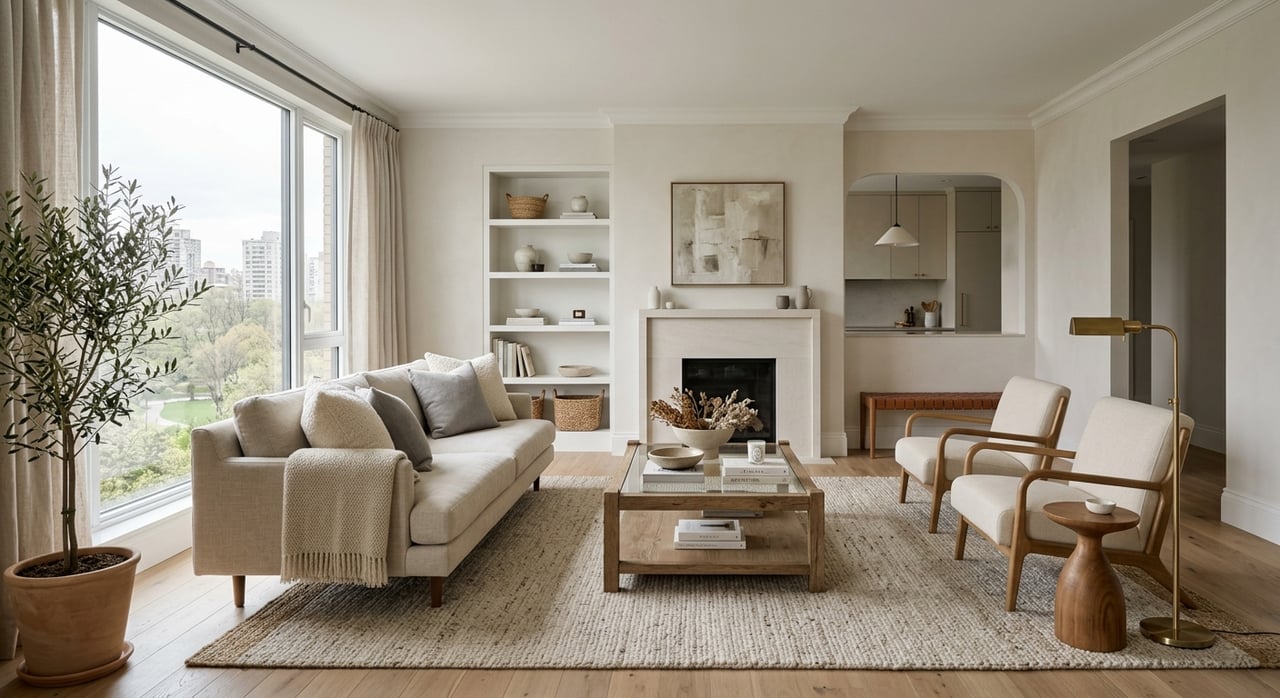
Selling a Forest Hills co-op or condo often comes down to one simple question: can a buyer picture living there the moment they scroll past the photos? In a neighborhood known for apartments, co-ops, condos, and a wide mix of building styles, staging is less about dramatic makeovers and more about helping your space feel bright, functional, and easy to understand. If you want to attract serious buyers without overspending, the right strategy can make a real difference. Let’s dive in.
Why staging matters in Forest Hills
Forest Hills includes a broad mix of residential buildings, from lower-density homes to larger apartment complexes, with many co-ops and condominiums in the housing stock, according to Queens Community Board 6. That means many sellers are competing with other apartments where light, layout, and presentation carry a lot of weight.
In this setting, staging is not just about decorating. It is about helping your home look more spacious, more polished, and more appealing online. That matters because buyers often compare multiple listings quickly, especially when floor plans are compact and exterior curb appeal plays a smaller role than it would with a single-family home.
The local price spread also supports a smart, selective approach. PropertyShark’s Forest Hills market data reported January 2026 median sale prices of $327,000 for co-ops and $672,000 for condos, with 46 co-op sales and 14 condo sales that month. For many sellers, that makes it practical to focus first on visible updates and strong marketing presentation before considering major renovation work.
Focus on what buyers notice first
You do not need to stage every inch of your apartment to make an impact. The goal is to highlight the rooms and features that shape a buyer’s first impression.
According to the National Association of Realtors 2025 Profile of Home Staging, 83% of buyers’ agents said staging made it easier for buyers to visualize a future home. The rooms most often staged were the living room, primary bedroom, and dining room.
For a Forest Hills co-op or condo, these spaces usually deserve the most attention:
- Living room, because it often anchors the listing photos
- Primary bedroom, because buyers want it to feel restful and functional
- Dining area, even if it is part of a combined layout
- Kitchen and bathrooms, because clean, clear surfaces photograph well
- Entry and hallway views, because they shape the sense of flow
If your budget is limited, start where the camera starts. Online presentation often determines whether a buyer books a showing at all.
Make a small apartment feel bigger
In many Forest Hills apartments, the biggest staging win is not adding more. It is taking the right things away.
NAR recommends several simple ways to make smaller rooms feel larger, including removing extra furniture, using pieces scaled to the room, opening window treatments, and keeping more floor space visible. Their guidance also points to lighter wall colors, mirrors, plain fabrics, armless seating, and glass or see-through furniture in appropriate spaces, as outlined in these small-room staging tips.
Here are the changes that usually give you the most return:
Edit the furniture
Too much furniture makes even a decent layout feel tight. Keep only the pieces that define the room clearly and support easy movement.
A loveseat may work better than a full sofa in some living rooms. A smaller dining table or fewer chairs may help a combined living and dining area feel more open.
Clear surfaces and corners
When counters, dressers, and side tables are crowded, buyers notice the stuff instead of the space. Clean surfaces create visual breathing room and help rooms photograph better.
This matters even more in kitchens and baths, where buyers tend to focus on storage, upkeep, and everyday function.
Let in as much light as possible
Open blinds and curtains fully for photos and showings. Natural light can help an apartment feel larger, fresher, and more inviting.
If lighting is weak, replace older bulbs and make sure fixtures are clean. Bright, even lighting helps every room read better online.
Use a simple, neutral palette
A consistent neutral look can make your apartment feel calmer and more cohesive. You do not need to remove all personality, but you do want buyers to focus on the home itself.
In smaller layouts, visual consistency can also help the space feel less broken up from room to room.
What to spend and where to spend it
One of the most common seller questions is how much staging should cost. The answer depends on your home, your timeline, and how much work is needed before photography.
NAR’s 2025 staging report found a median spend of $1,500 when sellers used a staging service. That same report also noted that some buyers’ agents saw staged homes receive offers that were 1% to 5% higher than similar unstaged homes, based on their observations.
For many Forest Hills sellers, a sensible staging budget goes toward:
- Decluttering and light pre-listing prep
- Rearranging or removing furniture
- Select rental pieces, if needed
- Fresh bedding, towels, and minimal accessories
- Touch-up paint in a neutral tone
- Professional photography after staging is complete
If you are choosing between cosmetic staging and a major project, the local market data suggests starting with the visible basics. In many co-ops and condos, presentation and photography can have more impact than expensive upgrades that do not meaningfully change how the apartment looks online.
Stage before photos, not after
Your first showing often happens on a screen. That is why timing matters.
The NAR 2024 Profile of Home Buyers and Sellers found that 43% of buyers first started their search on the internet, all buyers used the internet, and buyers rated photos, detailed property information, and floor plans as especially useful. Buyers also viewed some homes online only, which means your listing has to do a lot of work before anyone steps inside.
NAR also notes in its marketing guidance that the first open house is really what buyers see online first, which is why the property should be polished before it goes live. In practical terms, staging should come before photography, video, and virtual tour production, not after.
For your listing launch, that means your apartment should be fully ready for:
- Professional photos
- Video or virtual tour assets
- Floor plan creation
- MLS and portal syndication
- Social media promotion
A well-staged apartment supports every part of that digital package.
Use a photo-day checklist
The best photo-day improvements are often the fastest and least expensive. NAR’s guidance on making listing photos picture-perfect recommends cleaning, simplifying, and avoiding overly busy styling.
Before photos, focus on these basics:
- Make all beds neatly
- Clear kitchen counters except for a few simple items
- Remove toiletries and personal items from bathrooms
- Turn on lights throughout the apartment
- Open blinds and window treatments
- Dust shelves, fixtures, and visible surfaces
- Replace dim or mismatched bulbs
- Minimize decorative props
- Put away cables, bins, and daily clutter
The goal is not to make your home look fake. It is to make it look clean, bright, and easy for a buyer to understand in photos.
Respect co-op and condo building rules
This step is easy to overlook, but it matters. Co-op and condo buildings may have rules that affect staging logistics, deliveries, wall mounting, and access.
The New York Attorney General’s guidance on co-op boards explains that co-op boards must follow the building’s internal rules found in documents such as the bylaws, proprietary lease, certificate of incorporation, and house rules. For condos, the applicable internal rules are generally in the bylaws, declaration, and house rules, and those documents govern restrictions on the use of units and common elements.
For you as a seller, the practical move is to confirm building requirements before scheduling:
- Furniture delivery or pickup
- Temporary staging installation
- Wall mounting or hardware changes
- Use of common areas or service entrances
- Photo or video sessions that require building coordination
In many cases, reversible staging choices are the safest option. That can help you avoid delays or unnecessary issues as you prepare to list.
A practical staging plan for sellers
If you want to keep the process manageable, use a simple order of operations.
Step 1: Declutter first
Remove anything that crowds floors, closets, counters, and shelves. This gives you a cleaner baseline before deciding what else is needed.
Step 2: Simplify room by room
Edit furniture and decor so each room has a clear purpose. In smaller apartments, less usually looks better.
Step 3: Refresh lighting and finishes
Open window treatments, replace bulbs, clean fixtures, and consider light neutral paint where needed. These changes can shift the whole feel of the apartment.
Step 4: Check building rules
Before bringing in rentals or making changes, confirm what your co-op or condo allows. It is much easier to plan around rules than to fix a problem late in the process.
Step 5: Prepare for photography
Once staging is complete, schedule professional marketing assets while the apartment is at its best. That includes photos and any digital materials used to market your listing.
Why a local strategy helps
Staging is never one-size-fits-all, especially in a neighborhood like Forest Hills, where building types, layouts, and buyer expectations can vary from one block to the next. A prewar co-op may need a different presentation approach than a newer condo, even when the square footage is similar.
That is why local knowledge matters. When you understand how buyers compare apartments in Forest Hills, you can make smarter decisions about what to improve, what to leave alone, and how to present the home online for the best response.
If you are getting ready to sell, Rachel Borut can help you create a practical staging and marketing plan tailored to your apartment, your building, and your timeline. With hyper-local Forest Hills insight, hands-on listing support, and curated presentation from start to finish, you can move forward with more clarity and confidence.
FAQs
How much should I spend to stage a Forest Hills co-op or condo?
- NAR’s 2025 staging report found a median spend of $1,500 for sellers who used a staging service, but your actual budget depends on your apartment’s condition, layout, and marketing needs.
Which rooms matter most when staging a Forest Hills apartment for sale?
- The living room, primary bedroom, dining area, and other photo-facing spaces usually matter most because they shape the strongest first impression online.
What is the cheapest way to make a Forest Hills co-op feel larger?
- Decluttering, removing extra furniture, opening window treatments, and keeping more floor space visible are among the most effective low-cost changes.
Do professional photos matter when selling a Forest Hills condo?
- Yes. NAR reports that buyers heavily rely on online search tools, and photos are one of the most useful listing features when they evaluate homes.
Do I need to check building rules before staging a Forest Hills co-op?
- Yes. Co-op and condo buildings may have internal rules that affect deliveries, temporary installations, wall mounting, and access, so it is smart to confirm requirements before staging begins.