Looking for a quieter pocket of New York City that still feels connected and convenient? If you’re drawn to tree-lined streets, a walkable main drag, and an easy commute, Forest Hills might be your sweet spot. Many people come for the balanced pace and stay for the community feel. In this guide, you’ll see what daily life looks like, how housing works, and what to know before you move. Let’s dive in.
The Forest Hills vibe
Forest Hills blends residential calm with an active commercial spine. You’ll notice a mix of long-term residents, commuting professionals, and renters who value transit access. Many families choose the area for its parks, schools, and neighborhood institutions.
Weekdays revolve around work and school schedules, with steady foot traffic to the subway hub and cafés. Weekends bring brunch crowds, errands along Austin Street, and time in nearby green spaces. Seasonal concerts at Forest Hills Stadium add a festive energy on event nights.
Community organizations, religious institutions, and local business groups keep a steady calendar of events. If you enjoy knowing your barista and running into neighbors, you’ll likely feel at home here.
Daily life on Austin Street and beyond
Where you run errands
Austin Street is your go-to for everyday life. You’ll find independent cafés, delis, bakeries, boutique shops, salons, and small markets in a compact, walkable stretch. Larger retailers and services line Queens Boulevard, Metropolitan Avenue, and the blocks around the Forest Hills–71st Avenue hub. Most errands are doable on foot if you live near these corridors.
Cafés and dining
Café culture is strong, with steady daytime traffic and popular weekend brunch spots. Dining covers a wide range of cuisines, from Mediterranean and Asian to Eastern European and classic Jewish deli fare. Evenings feel lively without being crowded, with neighborhood bars and cocktail lounges rather than late-night clubs.
Nightlife and events
Forest Hills is not a nightlife district, but it does get a boost when Forest Hills Stadium opens its concert season. On show nights, expect more foot traffic and busy restaurants. If you like having a destination venue nearby without the day-to-day bustle, this is a nice balance.
Housing and architecture
What you’ll find on each block
The neighborhood offers real variety:
- Single-family homes and semi-detached houses on tree-lined streets.
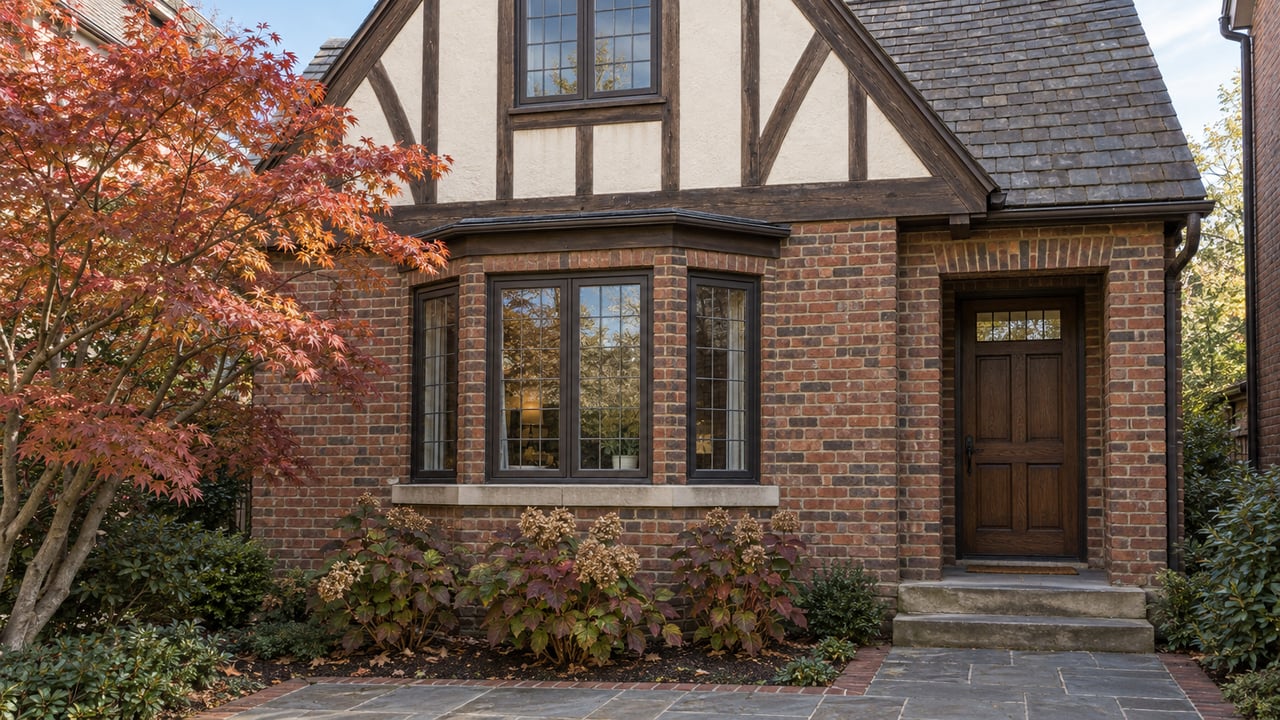
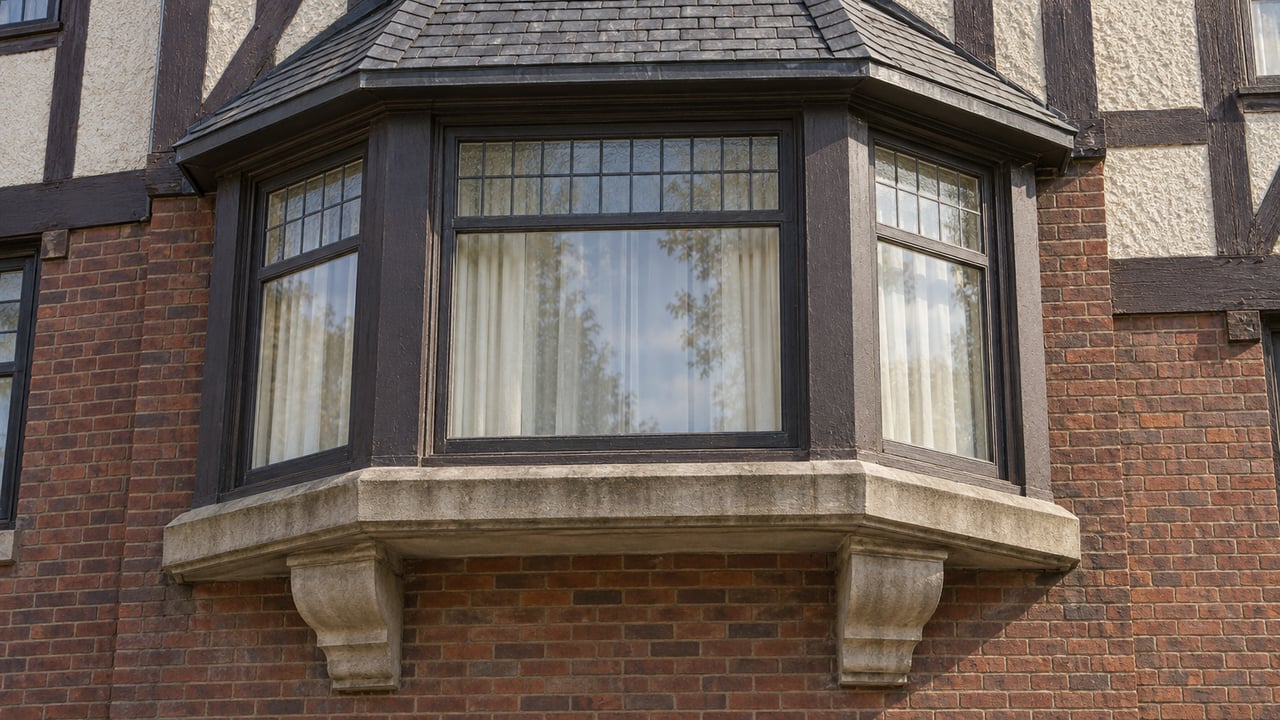
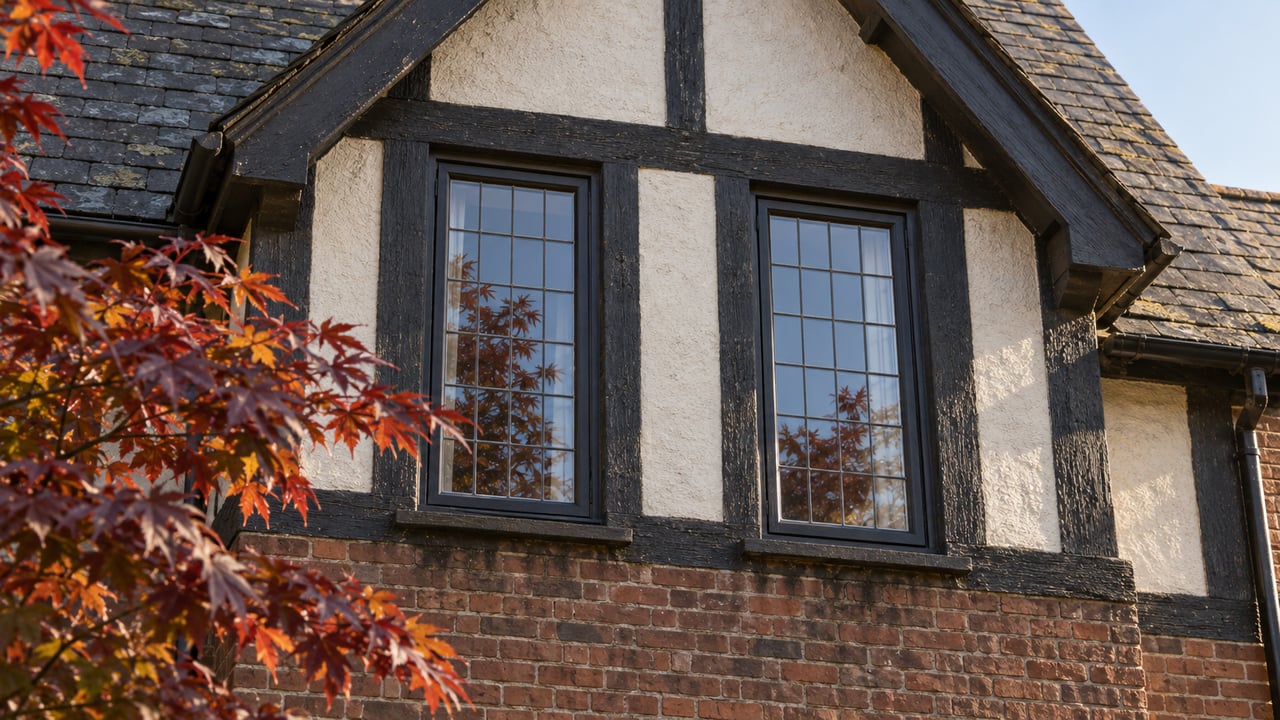
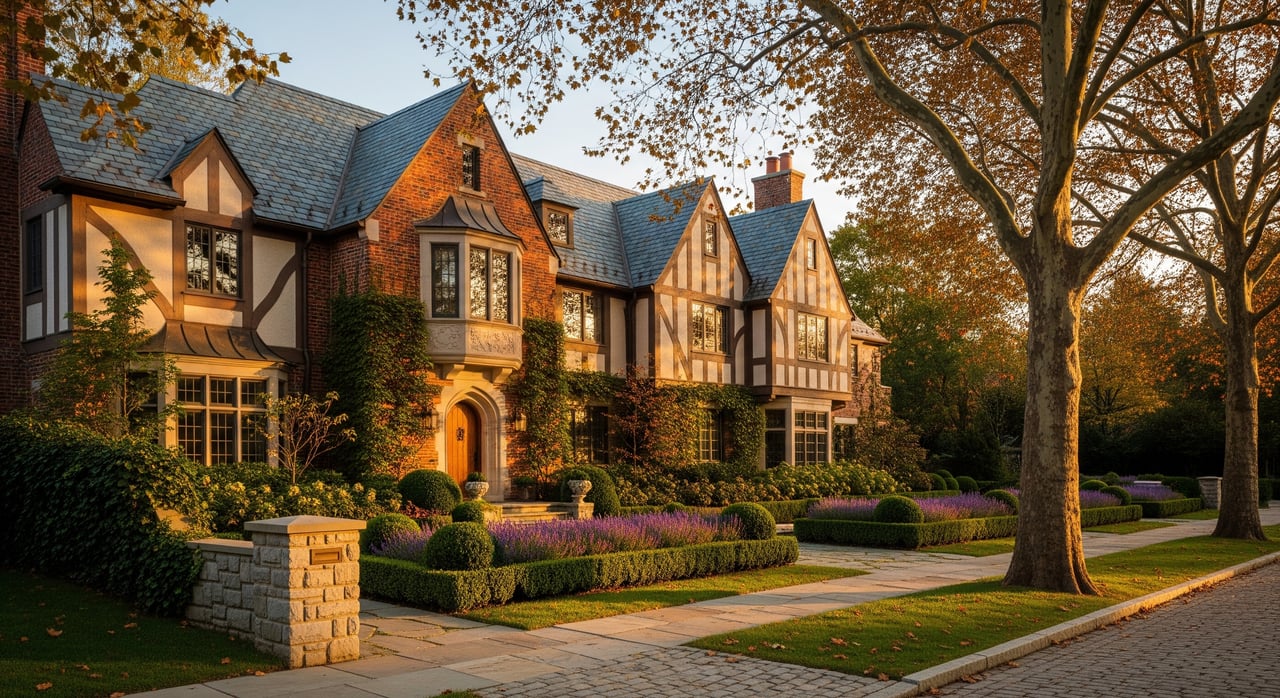
- Tudor and early-20th-century rowhouses, brick colonials, and garden-style apartments.
- Mid-rise co-ops and condos clustered near transit and along Queens Boulevard.
- Newer, small-scale condo buildings near main arteries.
Your lifestyle will feel different depending on what you choose. A house may offer a yard and driveway. A co-op or condo near the subway brings low-maintenance living and quick commutes.
Forest Hills Gardens at a glance
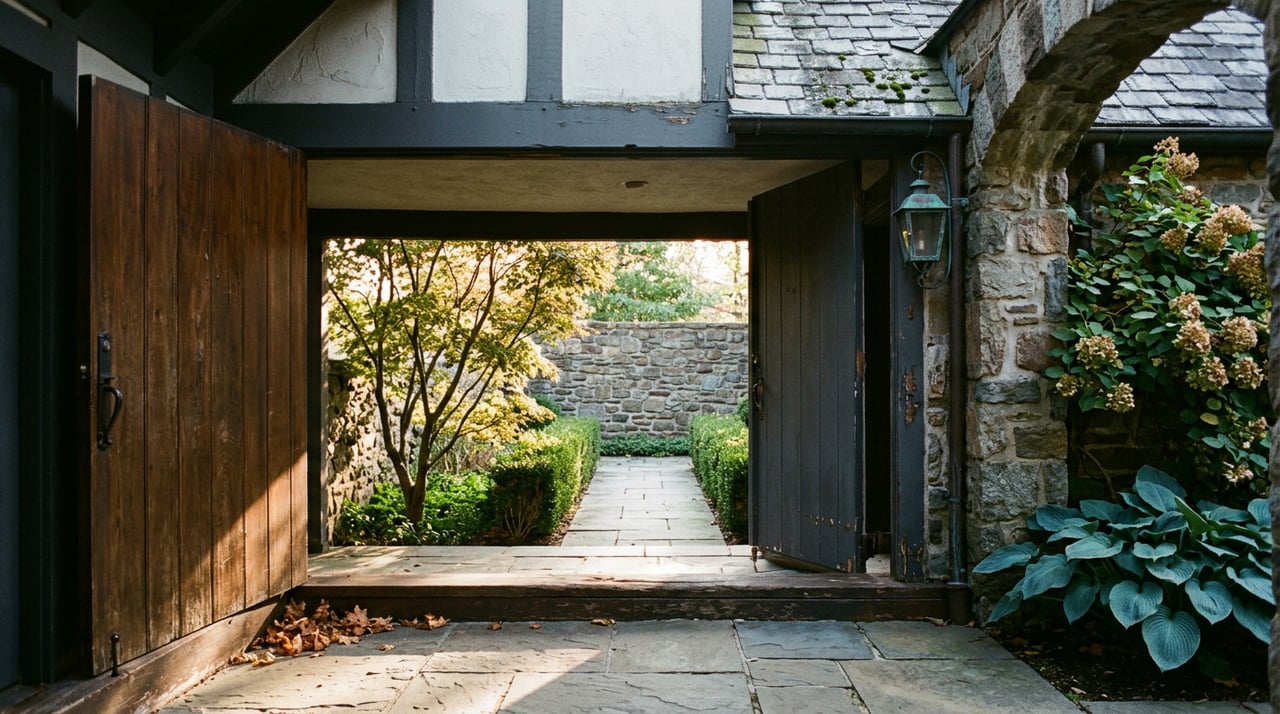
Forest Hills Gardens is a historic planned community known for Tudor and Jacobethan architecture, private streets, and a distinct village feel. It’s one of the area’s defining visuals and a draw for buyers who want a suburban vibe with city access.
Ownership patterns and what they mean
Forest Hills has a mix of homeowners, co-op shareholders, and renters. Co-ops are common, especially in older buildings near transit. If you’re considering a co-op, plan for board applications, financial reviews, and rules around financing or subletting. Condos and single-family homes usually involve fewer restrictions but tend to be higher-cost options.
Getting around
Subway and buses
Forest Hills–71st Avenue is the main transit hub, with multiple subway services and frequent trains into Manhattan and across Queens. Local bus routes link interior blocks to the subway and nearby neighborhoods. Many residents find commuting straightforward, especially for Midtown jobs.
Driving and parking
Driving is common for weekend errands and regional trips. Street parking exists on many residential blocks but can be limited in some areas, with standard NYC rules like alternate-side parking. Homes and properties in Forest Hills Gardens often include driveways or off-street options. Apartment dwellers may use street parking, garages, or rentals.
Airports and regional access
You’re within a reasonable drive of both LaGuardia and JFK, with travel times that vary based on traffic. Regional rail options are available in neighboring hubs if you need access to Long Island or different Manhattan terminals.
Parks, recreation, and culture
Forest Park and green spaces
Forest Park is the major green space near the neighborhood, with trails, playgrounds, sports fields, and seasonal programming. You’ll see people walking, jogging, and enjoying family time throughout the week. Smaller green spaces and tree-lined streets add to the relaxed feel.
Stadium, tennis, and seasonal buzz
The West Side Tennis Club and Forest Hills Stadium are local landmarks. Today, the stadium’s concert series brings well-known acts and seasonal buzz. Expect more activity on event days and a positive ripple effect for local dining.
Everyday community life
Libraries, community centers, and small arts programs round out local culture. You’ll also find street fairs and occasional block events. It’s easy to plug into community life if you choose.
Schools and family resources
Forest Hills is served by NYC Department of Education schools, with elementary and middle schools located nearby. School quality varies by specific school, so it’s wise to review zoning maps and performance reports to understand your options. You’ll also find private and parochial choices in and around the neighborhood.
Childcare centers, after-school programs, playgrounds, and pediatric services are available within short distances of residential areas, especially near the main commercial corridors.
Is Forest Hills a fit for you?
You might love Forest Hills if you want:
- A quieter residential feel with a walkable main street.
- Easy access to Manhattan and other parts of Queens.
- A mix of housing types and price points, from co-ops to single-family homes.
- Proximity to a large park and seasonal concerts.
Consider these tradeoffs:
- Street parking can be competitive in some areas.
- Concert nights increase foot traffic near the stadium.
- Co-op buying involves board approvals and specific rules.
Tips for buyers and renters
If you’re a first-time buyer
- Start by choosing your lifestyle: house with outdoor space or low-maintenance apartment near transit.
- Compare co-op and condo paths. Co-ops may offer more accessible pricing, but condos usually have fewer restrictions.
- Set a clear budget and timeline that accounts for down payment, closing costs, and potential renovations.
Preparing for a co-op purchase
- Organize financial documents early, including tax returns, pay stubs, and bank statements.
- Understand the building’s policies on financing, subletting, and owner occupancy.
- Expect a board application and interview. A local agent can help you prepare a complete package.
Advice for renters
- Decide whether you want a quieter side street or to be closer to Austin Street and the subway.
- Ask about building policies on pets, package delivery, and amenities.
- Confirm commute times during your typical travel hours.
What to check before you move
- Public transit schedules and typical commute routes.
- NYPD precinct crime statistics for the area you’re considering.
- NYC DOE school zoning maps and performance reports if schools matter to you.
- Building financials and co-op board rules if buying in a co-op or condo.
- Local parking rules and availability if you plan to keep a car.
- Event calendars for Forest Hills Stadium during peak months.
How a local expert helps
Forest Hills rewards local insight. A seasoned neighborhood agent can help you compare co-ops and condos, interpret building rules, and weigh street-level considerations like noise, parking, and proximity to transit. If you’re selling, strategic staging, pricing, and digital marketing will maximize visibility and reduce time on market.
As a lifelong Forest Hills resident and full-service agent with Douglas Elliman, Rachel pairs hyper-local knowledge with hands-on transaction management. Whether you’re buying your first co-op, upsizing to a house, or selling from out of state, you’ll get clear guidance from search to closing.
Ready to explore Forest Hills with a trusted local? Connect with Rachel Borut to schedule a consultation.
FAQs
How walkable is Forest Hills for daily errands?
- Very walkable near Austin Street, Queens Boulevard, and 71st Avenue, where you’ll find shops, services, and dining. Side streets are quieter and typically a short walk or bus ride to the subway.
What commute can I expect to Midtown Manhattan?
- Many residents commute via multiple subway services at Forest Hills–71st Avenue. Travel times vary by line and time of day, so check schedules for your specific route.
What housing options are common in Forest Hills?
- A mix of single-family homes, Tudor-style rowhouses, garden apartments, co-ops, and mid-rise condos. Co-ops are widespread near transit hubs, while single-family homes cluster on residential blocks.
How does parking work in Forest Hills?
- Street parking is available but competitive in parts of the neighborhood, with standard NYC rules. Some homes include driveways or garages. Apartment residents may rely on street parking, garages, or rentals.
Are there seasonal events I should know about in Forest Hills?
- Yes. Forest Hills Stadium hosts concerts that create lively evenings and busier restaurants on show nights. You’ll also find street fairs and community events during warmer months.
What should first-time co-op buyers expect here?
- Expect a board application, financial review, and possible interview, plus building-specific rules on financing and subletting. Preparation and local guidance make the process smoother.