You already know the drill. Around 6 p.m. the sidewalks on Burns and Dartmouth start to thicken, someone in a merch tee asks you where 71st Continental is, and by 10:15 the neighborhood is quiet again. What's different this fall is almost everything under that surface: a new sound system, a settled lawsuit, a shorter list of dates, and a food scene on Austin Street that has quietly caught up to the crowds.
If you live here, this is the season worth planning around, not around.
What actually changed at the stadium this year
The long argument between the venue and its immediate neighbors moved a step this spring. The new Forest Hills Gardens Corporation board, elected at the end of 2025, settled its federal lawsuit against the city for $150,000, and the agreement requires the NYPD and the 112th Precinct to work closely with local residents on planned security arrangements for events in and around the stadium. The NYPD keeps the final say on security decisions under the settlement.
Translation for anyone who lives inside the Gardens or on the blocks feeding into it: street closures, rideshare pickup zones, and pedestrian routing are supposed to be coordinated in advance rather than improvised on show day.
The sound picture has also shifted. Forest Hills Stadium installed a new L-Acoustics system, designed by Dave "Rat" Levine, that the venue says significantly reduces offsite sound bleeding into the neighborhood. The context for that upgrade is worth holding onto: a 68-decibel noise limit has been in place since 2023, and in 2024, 11 of 36 shows exceeded it, including two deliberately loud Neil Young and Crazy Horse nights. The Department of Environmental Protection followed up with nine summonses over the 2025 season after monitoring 12 concerts.
None of that erases the bass on a summer Saturday, but the trend line for fall 2026 is quieter, better-managed shows on a shorter schedule.
The fall stretch at a glance
The 2026 season is smaller than recent years. The season kicked off June 6 with Bright Eyes, Dermot Kennedy is currently slated to close it out on Sept. 29, and 20 events were planned for the season at the time the schedule was reported. Some listings extend that to Oct. 10 with Foster the People and Goth Babe.
Here is what the September–October window looks like for a resident deciding which nights to lean into and which to reserve for a quiet dinner at home.
| Date | Show | Doors |
|---|---|---|
| Wed, Sept. 16 | "The Hayley Williams Show" | 6:00 p.m. |
| Tue, Sept. 29 | Dermot Kennedy with Jonah Kagen | evening |
| Fri, Oct. 2 | Geese | evening |
| Sat, Oct. 10 | Foster the People with Goth Babe | 7:00 p.m. |
Sources for the times and lineups: Ticketmaster listings show The Hayley Williams Show on Sept. 16 at 6:00 p.m. and Foster the People's Good Mourning Sunshine Tour with Goth Babe on Oct. 10 at 7:00 p.m. Sept. 29 brings Dermot Kennedy with Jonah Kagen, Oct. 2 brings Geese, and Oct. 10 closes the season.
Four dates. That's the whole fall. If you have been putting off dinner with the couple who moved to Kew Gardens, use one of the twenty-plus nights in between.
The 10 p.m. thing and why it still matters
The stadium has addressed noise complaints, specifically the thump of bass, and minimized disturbances by implementing a 10 p.m. curfew for shows to conclude. To discourage public urination, the stadium allows concertgoers who show up hours before a show to use its restrooms.
The curfew is the single most useful fact for planning a school night. A show with 6 p.m. doors is functionally over by the time you would normally be heading upstairs. If your block is on a common walking path back to the 75th Avenue or 71st–Continental stations, expect a 15 to 25 minute pulse after curfew, then quiet.
The pre-show restroom policy matters too. It is why the Gardens sidewalks are calmer at 5:30 than they used to be: people are inside earlier.
A pre-show plan by block
The Austin Street corridor has quietly turned over. If your default has been the same two spots for a decade, here is what has opened or expanded within a short walk of the stadium.
Fast, before an early doors time
- Sweetgreen expanded to Forest Hills with salads, bowls, and protein plates. Good for a 5 p.m. bowl before a 6 p.m. door.
- Tacombi on Austin Street feels like an authentic Mexican taqueria. Counter-order pace, easy to time.
Sit-down, but you want to be walking by 7
- Meli Estiatorio is a Greek Mediterranean restaurant offering fresh seafood, premium meats, and modern takes on classic Greek dishes. Book the earliest slot and ask for the check with entrees.
- Mighty Quinn's Barbecue on Queens Boulevard specializes in slow-smoked southern barbecue. A block off the main crush.
Slice-and-go
- Forest Hills Pizzeria recently opened and offers classic pies, specialty pizzas like buffalo chicken, and handcrafted sandwiches.
Coffee before, or a cool-down after
- Azal Coffee is a Yemeni coffee shop offering drinks like pistachio latte, Adeni tea, and Azal signature coffee, along with pastries.
- Moka and Co. expanded to Forest Hills with Yemeni coffee and specialty drinks like a Dubai Chocolate latte and strawberry matcha, in a space suited to meeting friends or remote work.
A resident's move I keep recommending: skip the sit-down on show nights entirely. Grab a slice or a bowl at 5:30, sit in Station Square with a coffee at 9:45, and let the crowd flush past you on their way to the subway before you walk home.
Transit, and why driving is still the wrong idea
Concertgoers can take the Long Island Rail Road from Penn Station, or the E, F, M, and R subway trains. If you live here, you already know the E and F drop right at 71st–Continental, and the LIRR Forest Hills station is a five-minute walk to the venue.
The corollary matters more than the transit list. On a show night, the blocks between the subway and 1 Tennis Place absorb a very large share of the 13,000-seat crowd. The 13,000-seat venue programs more than four months of dates in a full season. If you drive somewhere for dinner and park within four blocks of the stadium, your car is stuck until after curfew. Park east of Ascan Avenue or south of Metropolitan if you must drive, or leave the car home.
Why any of this matters if you own here
Concert season is one of the neighborhood's louder feedback loops. An economic impact report found Forest Hills Stadium generated $42.5 million for the local economy. That figure lands very differently depending on which side of Burns Avenue you live on: for storefronts on Austin Street it is 20 well-timed Saturdays a year, and for a Tudor on Greenway North it is the reason your Google Home reroutes rideshares through your block.
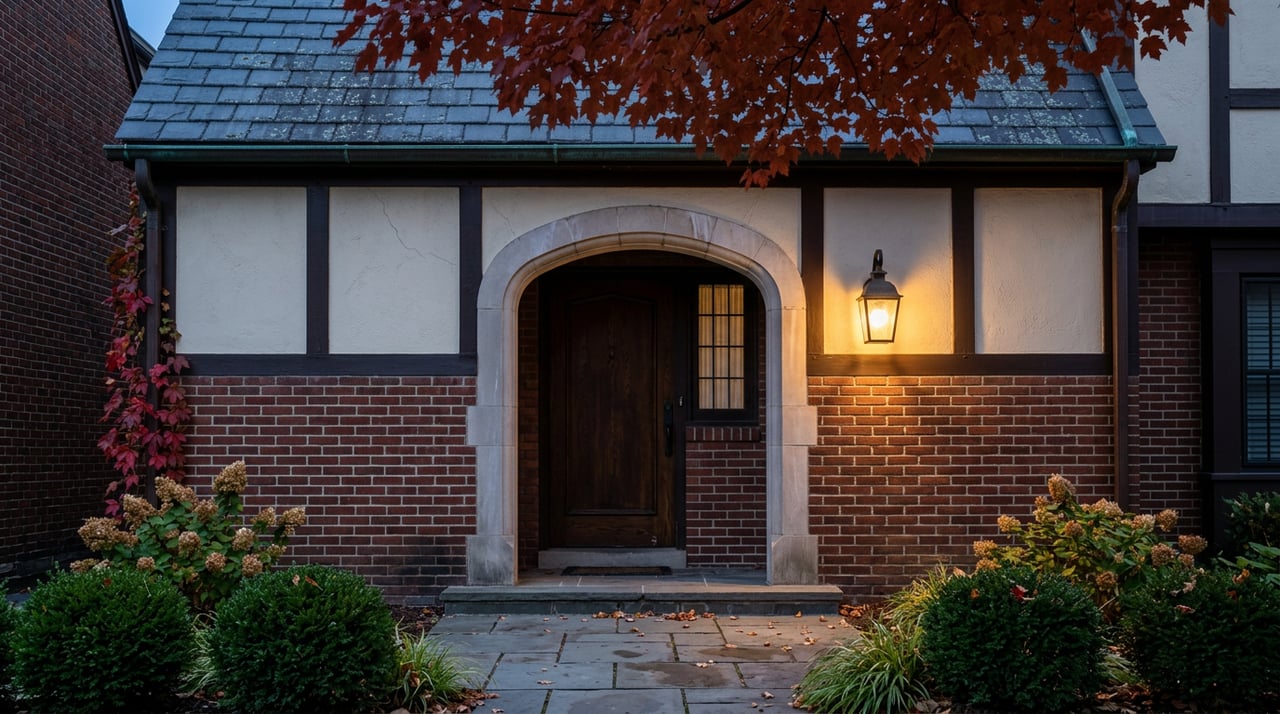
The fall calendar is where those two experiences finally sync up. Four shows, a shorter walk from the last note to a quiet street, and a Sunday morning that still feels like Forest Hills. It's also, incidentally, the time of year when out-of-town buyers who tour a home on a Saturday afternoon get to see the neighborhood at its most itself: the Gardens in full leaf turn, Station Square filling and emptying in ninety-minute cycles, a food scene that has grown up around a venue that has grown up around it.
If you have been on the fence about how this place works during event season, this is the fall to actually test it. Walk to Meli at 5:30, catch Foster the People at 7:00, and be back on your stoop by 10:15.
If you're weighing whether Forest Hills is the right long-term fit, whether that means finding a home with a quieter footprint outside the Gardens or a co-op with an easy walk to the stadium, Rachel Borut has lived through enough concert seasons to tell you exactly what a given block feels like on a Saturday in September. Schedule a consultation and let's talk about what you're actually buying into.